Is an Engagement Shoot Worth It?
An engagement shoot is optional, but it is worth it if you're nervous in front of a camera or want to know your photographer before the day. It gives you a relaxed practice run, a chance to give feedback, and a set of photos you can use for save the dates or a welcome sign.
Do you need an engagement shoot?
No. It isn't required, and plenty of couples skip it and still get great wedding photographs. It helps most if you don't enjoy being photographed, or if you haven't met your photographer in person yet.
What are the benefits of an engagement shoot?
You get used to the camera before your wedding day, when the timeline is tighter. Your photographer sees how you two interact and learns how to direct you. You also find out what you like and don't like in your photos, and you can say so before the wedding. Some couples use the same day to test hair and makeup.
How long does an engagement shoot take?
Usually around an hour, sometimes a little more if you're moving between locations. Keep it short and relaxed. A shoot that feels like a walk and a chat tends to look better than one that feels like a photo marathon.
When should you book an engagement shoot?
Anywhere from a few months to a few weeks before the wedding works. Book it early enough to use the photos for save the dates or invitations, and late enough that you still remember what you want to change. Autumn and winter light fades early in the UK, so plan for late morning or early afternoon.
Where should you have it?
Somewhere you like spending time together: a favourite park, a local street, a coastal walk or even home. A familiar place helps you relax. If you want a preview of your venue, ask whether it allows visits and photography before the day.
What should you wear?
Wear what you'd happily wear on a nice day out, in colours that suit you both and don't clash. Avoid big logos. If you want a second look, bring a spare layer. Comfortable shoes matter more than you'd think.
How do you get the most out of it?
Tell your photographer what you hope to get from the session and which photos you dread. Don't try to pose. Walk, talk and let it happen, because moving is what makes people look natural. Afterwards, tell them what you liked.
What does it cost?
Prices vary by photographer, and some include a session in a wedding package while others charge separately. Ask what is included when you enquire. For the wedding side of the budget, see our guide to wedding photography cost in the UK.
Does Studio Williams offer engagement shoots?
Get in touch through the Studio Williams contact page and tell us what you have in mind, and we'll talk it through. You might also like our guides to wedding day timelines and how to choose how many hours of coverage you need.
What Happens if It Rains on Your Wedding Day?
Rain doesn't ruin wedding photos. With a wet-weather plan, clear umbrellas and a photographer who is happy to work with the weather, you can still get beautiful, atmospheric pictures.
What happens if it rains on your wedding day?
Your day carries on, and so do the photographs. Rain changes where some photos happen, not whether they happen. Portraits move to sheltered spots or indoors, and a lot of the day (getting ready, the ceremony, speeches, dancing) is usually inside anyway.
Can you still get good wedding photos in the rain?
Yes. Overcast skies give soft, even light that flatters skin and faces. Wet ground, raindrops on windows and umbrellas add mood you don't get on a bright day. Showers also pass, and a clearing sky afterwards often gives dramatic light.
Where do rainy day portraits happen?
Typically under porches and covered entrances, by large windows, in barns or doorways, and under tree canopies once the rain eases. It helps if your photographer knows your venue, or looks at it ahead of the day, so they have wet-weather spots in mind before you need them.
Do clear umbrellas help?
They do. Clear or white umbrellas look neat in photos, keep logos and bright colours out of the frame, and still let your faces show. Have enough for the couple and wedding party, and make sure someone is in charge of bringing them rather than leaving them in a car.
What should you plan for before the day?
Ask your venue what the backup is for an outdoor ceremony or drinks reception. Pack flat shoes or wellies for walking outside, and check what your hair and makeup can handle in damp weather. If you're in a marquee or tipi, think about walkways, flooring and parking so guests aren't dealing with mud.
Should you change your timeline for rain?
Stay flexible. Rain rarely lasts all day, so short bursts of outdoor photos between showers often work better than one long session. Leave a little extra time around the ceremony and portraits in case you need to wait for a break. Family groups can usually be done indoors where everyone stays warm.
What about confetti and group photos?
Some venues allow confetti indoors, and a staged confetti moment with a few guests can work if the weather clears briefly. Large group photos can go in a hallway, a barn or under a canopy, so ask your venue which spaces are available.
How does Studio Williams plan for rain?
It depends on your venue and the schedule for your day, so the best step is to talk it through when you enquire. Get in touch through the Studio Williams contact page and tell us your venue and plans. You might also like our guides to wedding day timelines and wedding photography cost. Planning to marry in Italy? Read our guide to Italy wedding photography for elegant destination weddings.
Should You Do a First Look at Your Wedding?
A first look is a private moment before the ceremony where you see each other for the first time, with just the photographer nearby. It's worth it if you want relaxed portraits and more time at your drinks reception. Skip it if seeing each other at the aisle matters more to you.
Should you do a first look at your wedding?
It comes down to what you value more: a private moment and a calmer timeline, or the traditional reveal with all your guests watching. Neither is the right answer, and both give you good photographs.
What is a first look?
You see each other before the ceremony, usually somewhere quiet at the venue once you're both dressed. Your photographer is there to capture it, and you get a few minutes to talk before the day properly begins. Many couples then go straight into portraits.
What are the benefits of a first look?
Privacy is the big one. Without an audience, most people relax and react more naturally. The practical benefit is the schedule: couple portraits and often the wedding party photos are done before the ceremony, so you're not pulled away from your guests afterwards. It also gives you a buffer if anything runs late.
What are the downsides?
You give up the surprise of the aisle moment, and some couples feel that moment is the emotional heart of the day. Hair, makeup and getting ready may also need to finish earlier, so your morning can start sooner.
How long does a first look take?
The reveal itself is short, usually around 10 to 15 minutes including a chat. Couple portraits typically add about 30 minutes, and wedding party photos around the same again. Plan for it to happen roughly two to three hours before the ceremony.
Does a first look matter for autumn and winter weddings?
Yes, more than most people expect. In the UK the sun sets early from October to February, so a mid-afternoon ceremony can leave very little daylight for portraits afterwards. A first look puts your portraits in better light and takes the pressure off.
What if you want the aisle reveal?
That's completely fine. Keep it, and ask your photographer to plan portraits around it, for example a short session straight after the ceremony and a second one later while the light is soft. Another middle option is a first touch, where you hold hands or stand back to back without seeing each other.
What should you ask your photographer?
Ask how much time they'd build in for portraits with and without a first look. Ask how they'd work around sunset on your date, and what they suggest if you're torn between the two options.
How does Studio Williams approach it?
It depends on your venue, ceremony time and how you want the day to feel, so it's best talked through when you enquire. Get in touch through the Studio Williams contact page and share your plans. You might also like our guides to wedding day timelines and wedding photography cost.
Do you need a second photographer at your wedding?
Most couples with under 50 guests and everything at one venue don't need a second photographer. Once you pass roughly 100 guests, or getting ready happens in two places at once, a second shooter starts to earn its cost.
Do you need a second photographer at your wedding?
Not always. A second photographer doesn't make the images better, it means more of the day is covered at the same time. One photographer can only be in one place, so a second shooter adds breadth, not quality.
What does a second photographer actually do?
They work alongside the lead from a different position. While one photographer has the aisle, the other might have the guests' faces or a wide shot of the room. In the morning, one can be with each partner while both get ready. In the evening, one can cover speeches while the other picks up candids.
When is a second photographer worth it?
Large guest lists are the biggest factor. Past about 100 guests there are more reactions and more corners of the room, and a second photographer makes it more likely the grandparent tearing up or the best friend's face ends up in the gallery.
Multiple locations are the other clear case. If both partners get ready at different places at the same time, one photographer can't cover both sides of the morning.
When can you skip it?
Small weddings under about 50 guests rarely need one, and neither do weddings where getting ready, the ceremony and the reception are all at the same venue. There's little travel time lost and no overlap to cover.
What does a second photographer cost?
It varies by photographer, region and hours. UK add-on fees commonly sit in the low hundreds of pounds for a full day, sometimes as a flat add-on and sometimes hourly. Ask what's included, because some fees cover editing and others don't.
Second photographer or more hours?
They solve different problems. Extra hours with one photographer extend the day, so more evening or more portrait time. A second photographer adds depth inside the hours you already have. For a single venue with a simple timeline, extra hours often go further. For big guest lists or overlapping events, a second shooter usually does.
What should you ask before booking one?
Ask who the second photographer is and how experienced they are. Ask how both photographers' images are edited so the gallery looks consistent. Ask whether you receive one blended gallery or two separate sets, and what the fee covers.
How does Studio Williams handle it?
Coverage options are agreed per booking, so the easiest route is to ask when you enquire. If you're weighing it up, get in touch through the Studio Williams contact page and talk through your guest count and venue. You might also like our guides on wedding photography cost and wedding day timelines.
How long does it take to get wedding photos back?
uples get their full wedding gallery four to eight weeks after the day. Here is what happens in that time, what affects the wait and what to ask before you book.
Most UK couples get their full edited wedding gallery four to eight weeks after the day, with a small sneak peek in the first few days. Peak summer weddings can run longer, sometimes up to twelve weeks.
How long does it take to get wedding photos back?
There isn't one number. It's a few milestones:
A sneak peek, usually 5 to 25 images, often lands within 48 hours to two weeks. A larger preview gallery can follow in two to four weeks. The full edited gallery is commonly four to eight weeks, and busy months like August and September can stretch that. Albums and prints take extra weeks on top, because the design and approval stage comes after the gallery.
Why does it take so long?
A wedding day produces thousands of frames. Every one gets backed up, then culled down to the strongest few hundred, then colour graded and retouched, then exported and uploaded. Editing alone is often 15 to 36 hours per wedding, fitted around every other wedding in the queue.
What affects the wait?
Season is the big one, as summer weekends create a backlog. Editing style matters too, since a heavily retouched look takes longer than a natural one. Gallery size ## whether the photographer edits in-house or outsources also play a part.
Is a sneak peek normal?
Yes, and it's a good way to bridge the wait. Ask when it will arrive and how you'll receive it, so you can share a few favourites with family without waiting weeks.
What should you ask before booking?
Ask for the delivery time in writing, not a rough guess. Ask when the sneak peek arrives, how long the full gallery takes in your wedding month, how long albums take after you approve the design, and what happens if the date slips. A clear answer at enquiry stage saves a lot of nervous email checking later.
When is it fair to chase your photographer?
If your contract says eight weeks and you're at week nine with no update, a polite message is completely reasonable. If you're still inside the window, waiting is normal, even when it feels slow.
How long does Studio Williams take?
Delivery timing is agreed per booking, so the best route is to ask when you enquire. If you're planning a wedding and want to talk through photography, you can get in touch through the Studio Williams contact page. See also our guides on wedding photography cost and wedding day timelines.
How many photos do you get from a wedding photographer?
Most UK photographers deliver 400 to 800 edited photos from a full wedding day. See what decides the number and what to ask before you book.
For a full wedding day, most UK photographers deliver somewhere between 400 and 800 edited photographs. A shorter booking of four to six hours usually lands nearer 200 to 400. The number matters less than what is in it, so ask what is included before you book and get the range in writing.
What decides how many photos you get?
Mostly the length of coverage and the pace of the day. A common rule of thumb is 50 to 100 finished images for every hour photographed, though photographers work differently. A full day with preparations, ceremony, group photos, speeches and dancing gives more to capture than a short ceremony-led celebration.
Does a bigger guest list mean more photos?
Often, yes. More guests means more group photographs, more reactions during the speeches and more moments on the dance floor. A small wedding can still produce a rich gallery, but it may be a smaller one.
Are you getting every photo your photographer took?
No, and you would not want to. A photographer takes many frames and then selects the strongest. Duplicates, blinks and near misses are left out. The gallery you receive is the edited selection, not the camera card.
Is more always better?
Not necessarily. A gallery of 1,000 similar frames can be harder to enjoy than 500 well chosen ones. A good gallery tells the story of the day in order, with room for the quiet moments between the big ones.
Do you get a set number of photos or a range?
Many photographers promise a range rather than an exact figure, because the day decides what happens. Some give an approximate number per hour. Neither is wrong. What matters is that you know what to expect and that it is written down.
What should you ask before booking?
Ask how many edited images a typical full day produces, how long the gallery takes to arrive, whether it is an online gallery or a download, and how long you can access it. If you want to plan the length of coverage first, our guide on how many hours of wedding photography you need is a good place to start.
If you are planning a wedding and would like to talk about how a day with Studio Williams would work, get in touch through the contact page.
Do you have to feed your wedding photographer?
Do you feed your wedding photographer? Usually yes, if they are with you for a full day. Here is what to provide, when, and what to check in your contract.
If your photographer is with you for most of the day, the usual answer is yes. Anyone booked for six hours or more will need a proper break and something hot to eat, and many photographers say so in their contract. For a short booking, such as a ceremony and a few group photos, a meal is a kind gesture rather than an expectation. Check your contract first, because it will usually say what is agreed.
Why does a wedding photographer need a meal break?
A full wedding day is long. A photographer may arrive for preparations in the morning, work through the ceremony, the drinks reception and the speeches, and still be there for the first dance. Most venues are exclusive to your wedding, so there is often nowhere on site to buy lunch, and leaving to find food risks missing something. A short break to eat keeps them sharp for the evening.
Is a supplier meal the same as a guest meal?
Not usually. Many caterers and venues offer a separate supplier meal, which is often simpler and cheaper than the wedding breakfast. Ask your caterer what they offer and what they charge. Photographers do not generally expect a seat at a guest table or the same menu as your guests.
Where should your photographer eat?
Somewhere quiet and close by, such as a side room, the venue kitchen area or a spare table away from the top table. That gives them a rest, a place to put their bag down and a chance to charge a battery, while they stay near enough to come back quickly if the schedule changes.
When should they eat?
Most couples have the photographer eat while guests are eating the wedding breakfast. Speeches often follow, so ask your photographer how long they need and tell your venue coordinator so the meal arrives at the right time.
What if the venue or caterer charges for it?
Supplier meals are a normal part of wedding catering, so ask for the cost early and add it to your budget. Some venues charge a reduced rate, and some do not charge at all. Do not count your photographer in your guest numbers, as that may mean paying the full guest price.
What should you check before booking?
Read the contract and ask these questions before you sign: Does the photographer expect a meal, and if so, hot or cold? How long a break will they need? Are there dietary needs the caterer should know about? If your photographer is only covering a few hours, you can simply agree whether a meal or a snack and a drink will be provided. If you want to plan the hours properly, our guide on how many hours of wedding photography you need is a good place to start.
If you are planning a wedding and would like to talk about how a day with Studio Williams would work, get in touch through the contact page.
How many hours of wedding photography do you need?
Six, eight or ten hours? Work out wedding photography coverage from your ceremony time, travel, preparations and evening plans, without rushing the day.
For a wedding with preparations, a ceremony, a meal, speeches and evening dancing, eight to ten hours is a useful starting point. A smaller ceremony-led celebration may need less. A day split across several locations, or one with an early ceremony and a late first dance, may need more. The right answer comes from your actual start and finish times, not the name of a package.
What should your photography coverage include?
Write down the moments you would be disappointed to miss. That might be getting ready with your closest people, the ceremony, confetti, family groups, portraits, speeches or a busy dance floor. Then put a time beside the first and last of those moments. The gap between them is your basic coverage window.
An eight-hour booking from noon ends at 8pm. A ten-hour booking from 11am ends at 9pm. Neither automatically includes a 10pm first dance. These examples sound obvious, but checking the clock is more useful than assuming that “full day” means every part of the celebration.
Is six hours of wedding photography enough?
Six hours can work for a compact wedding where the important moments sit close together. A later ceremony at one venue, followed by drinks, a meal and early speeches, can fit a shorter window if you do not need extensive preparation or late-evening photographs.
The trade-off is usually at the edges. Starting shortly before the ceremony means less of the getting-ready atmosphere. Finishing before the evening reception means no first dance or party coverage. Decide whether those are parts of your story you want photographed before choosing a shorter booking.
Is eight hours enough for a full wedding day?
Eight hours can cover a substantial part of a wedding day, but it is not a guarantee of preparation through to dancing. It depends on when the ceremony starts, how long the meal and speeches take, and how far apart your locations are.
For example, noon to 8pm might include final preparations, a 2pm ceremony, the drinks reception, group photographs, portraits, the meal and an early first dance. If the first dance is at 9pm, that same booking ends too soon. Move the start time, extend the coverage, or accept the missing part deliberately rather than discovering it on the day.
When is ten hours or more worth considering?
A longer window is worth discussing when both partners want preparation photographs at different addresses, the ceremony and reception are far apart, or the day includes several traditions and events. It can also help if you want photographs of the party after the first dance, rather than the first dance being the final image.
Extra hours do not mean you should spend extra time posing. They can simply give the day more room to unfold, with coverage of the conversations, reactions and small moments between the headline events.
Does travel count as photography time?
Check the contract. Consecutive hours of coverage normally include the time spent moving between locations, but the exact terms belong to your photographer's booking. A short drive still involves packing equipment, finding parking and getting ready at the next venue.
A second photographer can help with simultaneous moments, such as preparations in two places. It does not automatically extend the booking or replace time needed for travel. Ask about both the staffing and the coverage window separately.
How much breathing room should you leave?
Do not build a plan that only works if every moment happens exactly on time. Leave room for greeting guests, moving between spaces and the small delays that can happen during a celebration. Agree how any additional time is handled, whether it must be arranged in advance, and what it would cost.
You do not need a long list of portraits to justify the coverage. A short, clear family-photo list and a relaxed portrait plan can protect time with your guests. For help shaping the rest of the day, read the Studio Williams wedding day timeline guide.
What should you ask before booking?
Confirm the exact start and finish times, the moments included, travel arrangements, any breaks, and the process for changing the coverage. Ask whether a second photographer is included or optional, and check the overtime terms in writing. “Full day” is a description, not a universal number of hours.
Start with the day you want to have, then choose the coverage that fits it. Studio Williams offers calm wedding photography in Manchester, across the UK and worldwide. Share your date, venues and rough timings through the contact page, and we can talk through the coverage that makes sense for your plans.
How far in advance should you book a wedding photographer?
As a starting point, aim to book your wedding photographer 12-18 months before a popular summer Saturday, once your venue and date are confirmed.
As a starting point, aim to book your wedding photographer 12-18 months before a popular summer Saturday, once your venue and date are confirmed. That is planning guidance, not a deadline. A weekday, winter wedding or smaller celebration may offer more flexibility. If photography matters to you and you have found someone whose work you love, ask about your date rather than waiting for an arbitrary point in the calendar.
When should you start looking?
You can research photographers before booking a venue, but a confirmed date and location make an availability enquiry useful. Start by looking at complete wedding galleries. A handful of favourite portraits tells you less than a full day: preparations, ceremony, family photographs, speeches and a busy dance floor.
Notice how the pictures feel as well as how they look. Do you want quiet observation, more direction, or a mix? Could you imagine spending the day with the person behind the camera? Your shortlist should reflect those answers, not simply who appears first in a search.
Why popular dates need an earlier enquiry
A photographer can only be in one place at a time. Guides for Brides recommends planning 12-18 months ahead, particularly for peak-season Saturdays, and Hitched notes that photographers can be booked that far in advance. Treat that as a sensible starting window rather than proof that every photographer is unavailable later.
Your preferred photographer, the date and the kind of coverage you want matter more than a universal rule. If you are planning a summer Saturday or a celebration involving travel, enquiring early gives you more time to compare work, talk through logistics and make a considered decision. It is not a reason to rush into a deposit before you understand the agreement.
Is it too late to book closer to the wedding?
Not necessarily. Shorter lead times can work, especially if you are flexible about the day, season or photographer. Real couples discussing UK micro-weddings online ask exactly this question, and their experiences vary. A forum success story is reassuring, but it cannot tell you whether your chosen photographer is free.
Send a clear enquiry with your date, venue, approximate guest count and the parts of the day you want photographed. If the first choice is unavailable, ask whether they can recommend someone with a similar approach. Be open to alternatives without abandoning the things you care about: consistent work, a calm presence and clear communication.
What should you check before paying a deposit?
Have a conversation, read the contract and get the details in writing. Check who will photograph the wedding, the coverage hours, what is included, the payment schedule and the cancellation or postponement terms. Ask about travel costs, backup arrangements, insurance and how and when you will receive the photographs.
An enquiry is not the same as a confirmed booking. Ask your photographer what secures the date and when that happens. Do not assume a friendly conversation or a provisional hold reserves it indefinitely.
If you are comparing packages, compare like with like. Getting-ready photographs, ceremony coverage and an evening party tell a different story from a short ceremony-only booking. The right choice is the one that covers what matters to you without making the day revolve around the camera.
A simple booking plan
First, confirm the venue and wedding date. Next, shortlist photographers using full galleries and the way their work makes you feel. Then enquire about availability and arrange a conversation. Finally, read the written agreement, check the full cost and complete the photographer's booking process when you are comfortable.
For budget planning, read the UK wedding photography cost guide on this journal. For the shape of the day, read Wedding Day Timeline: How to Actually Enjoy Your Day. These are different decisions, but they fit together: your coverage should support the wedding you are planning, not force you into someone else's schedule.
Ask about your date
Studio Williams is based in Manchester and photographs weddings across the UK and worldwide. If you are drawn to calm, natural photographs and want room to enjoy your wedding, share your date, venue and plans through the contact page. Availability can then be checked for your actual celebration, whether it is eighteen months away or much closer.
Further reading: Guides for Brides, The Ultimate Guide to Wedding Photography; Hitched, 35 Key Questions to Ask Your Wedding Photographer. Their booking guidance informed this article. Availability and booking terms always need checking with the photographer you choose.
Tall John’s House wedding photography: Tiri & Edward’s Brecon Beacons wedding
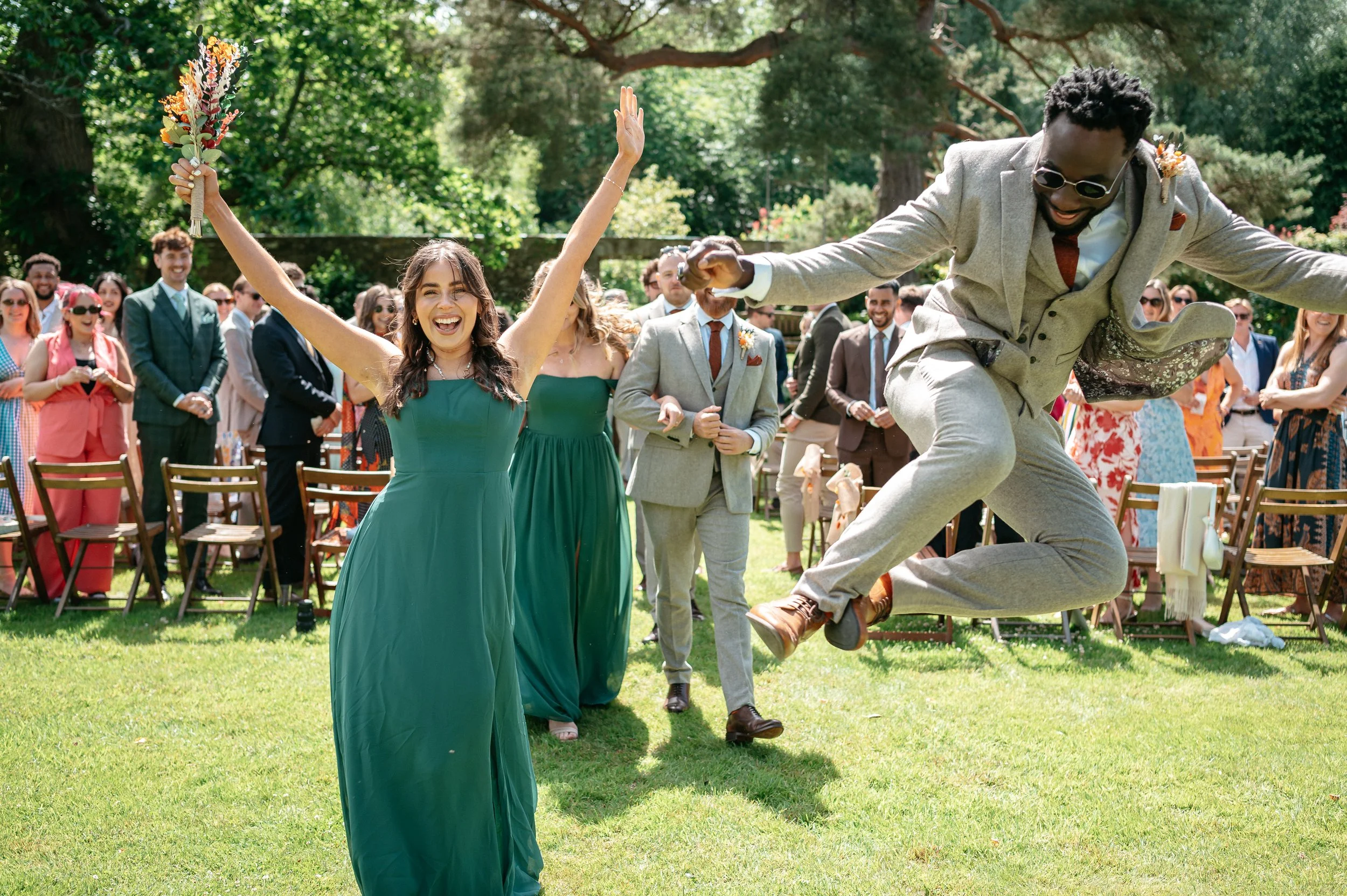
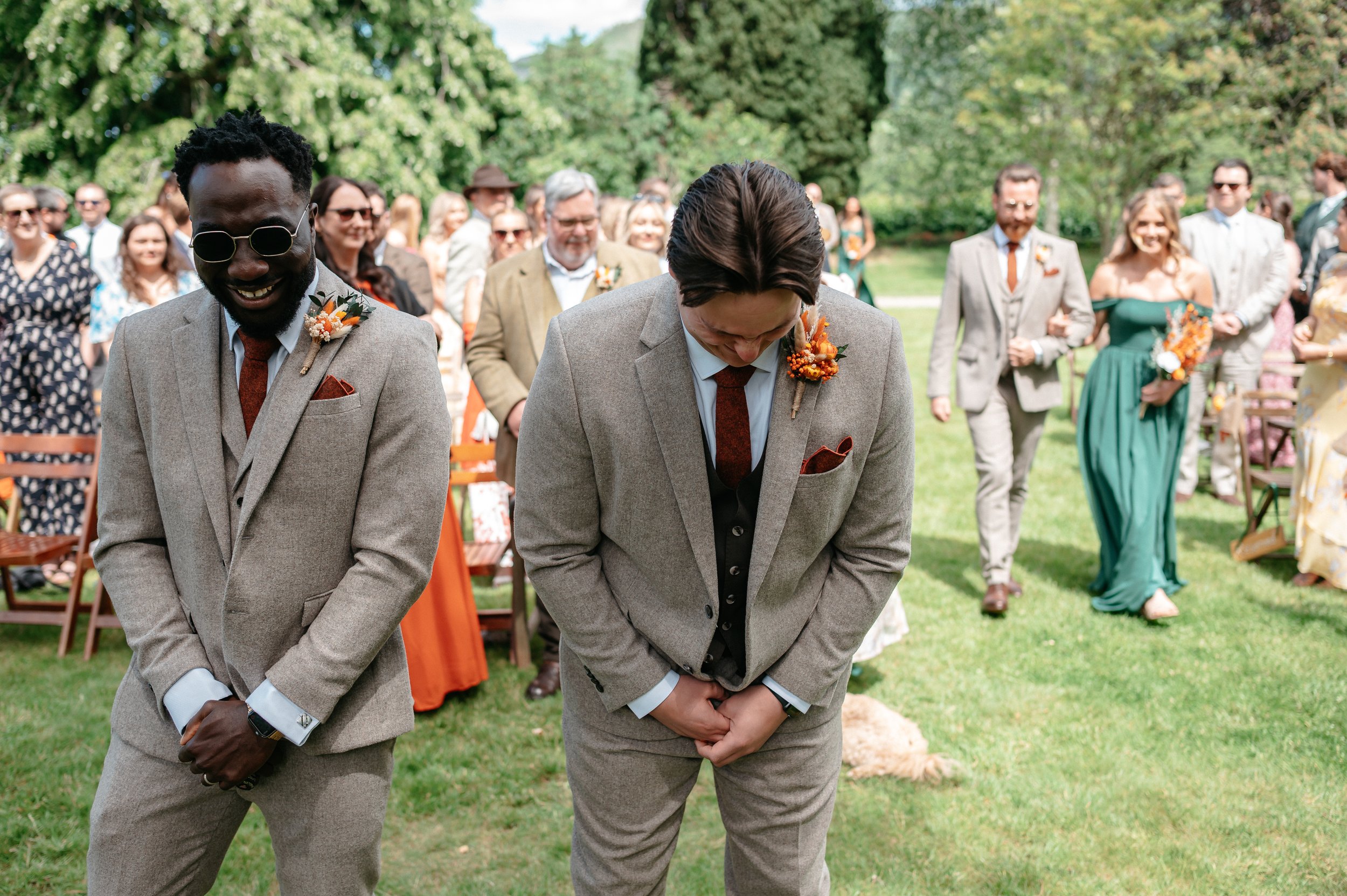
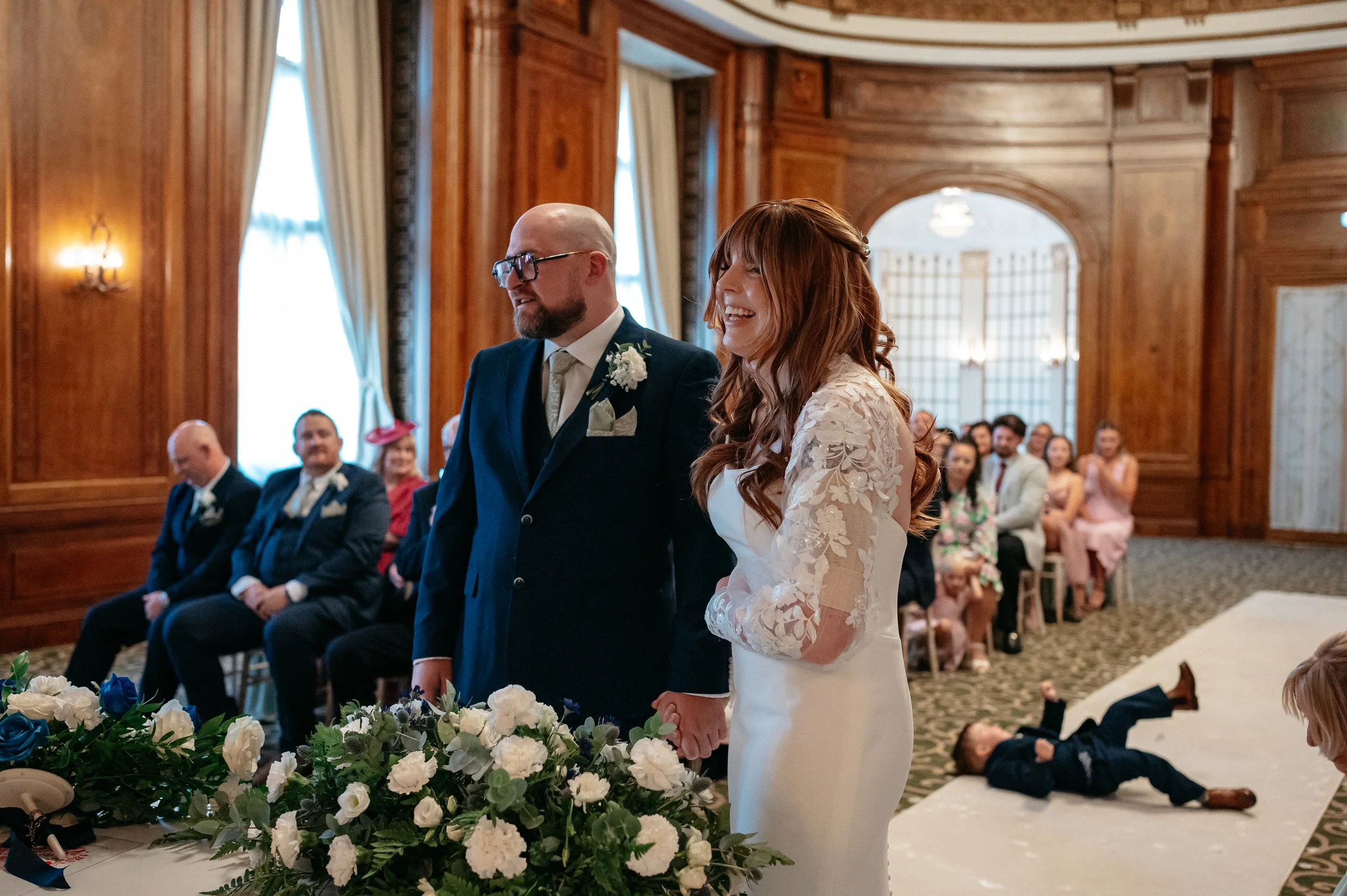
On 13 June 2026 I photographed Tiri and Edward's wedding at Tall John's House, a country house and barn venue in the Brecon Beacons, close to where Tiri grew up.
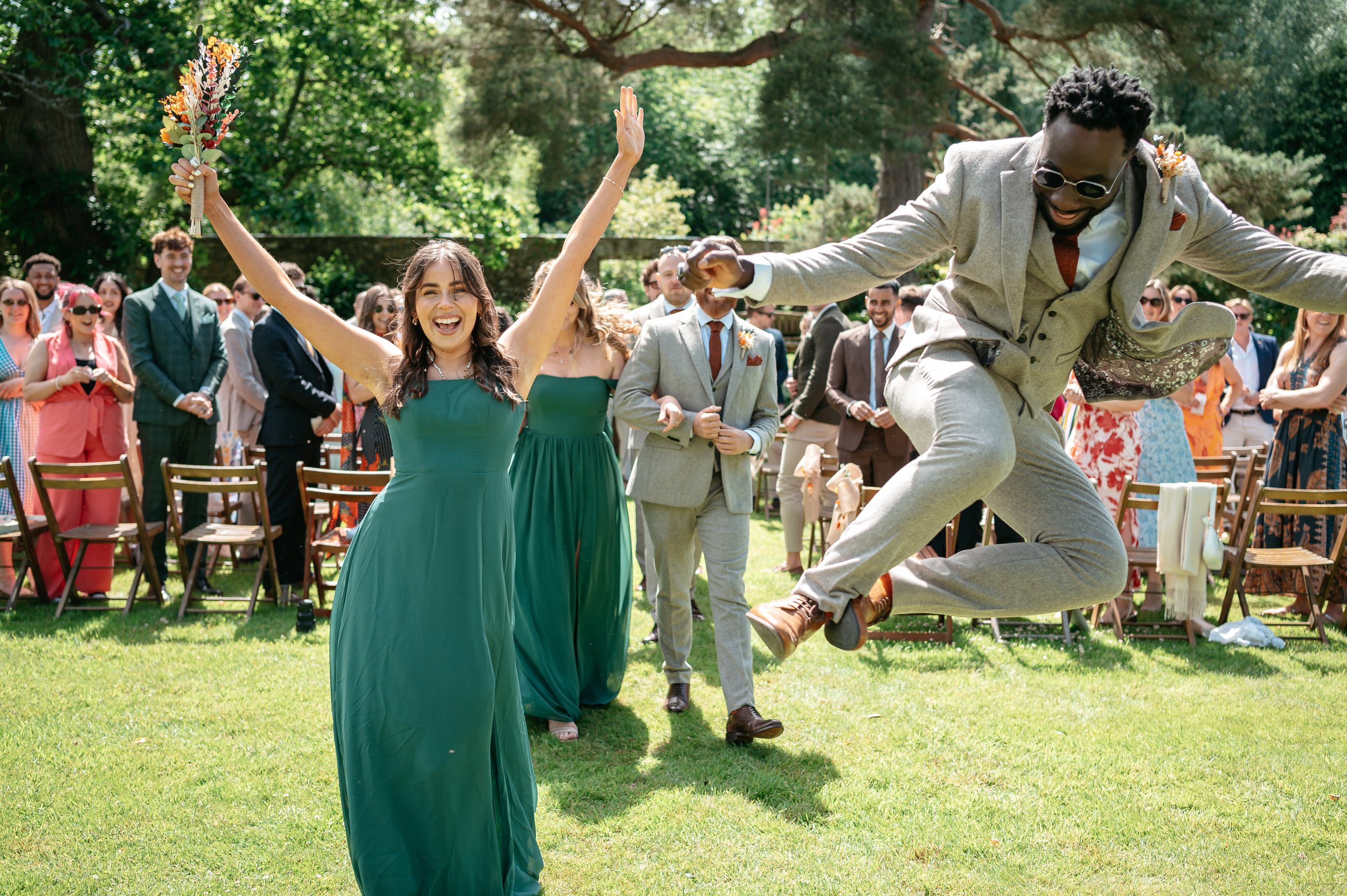
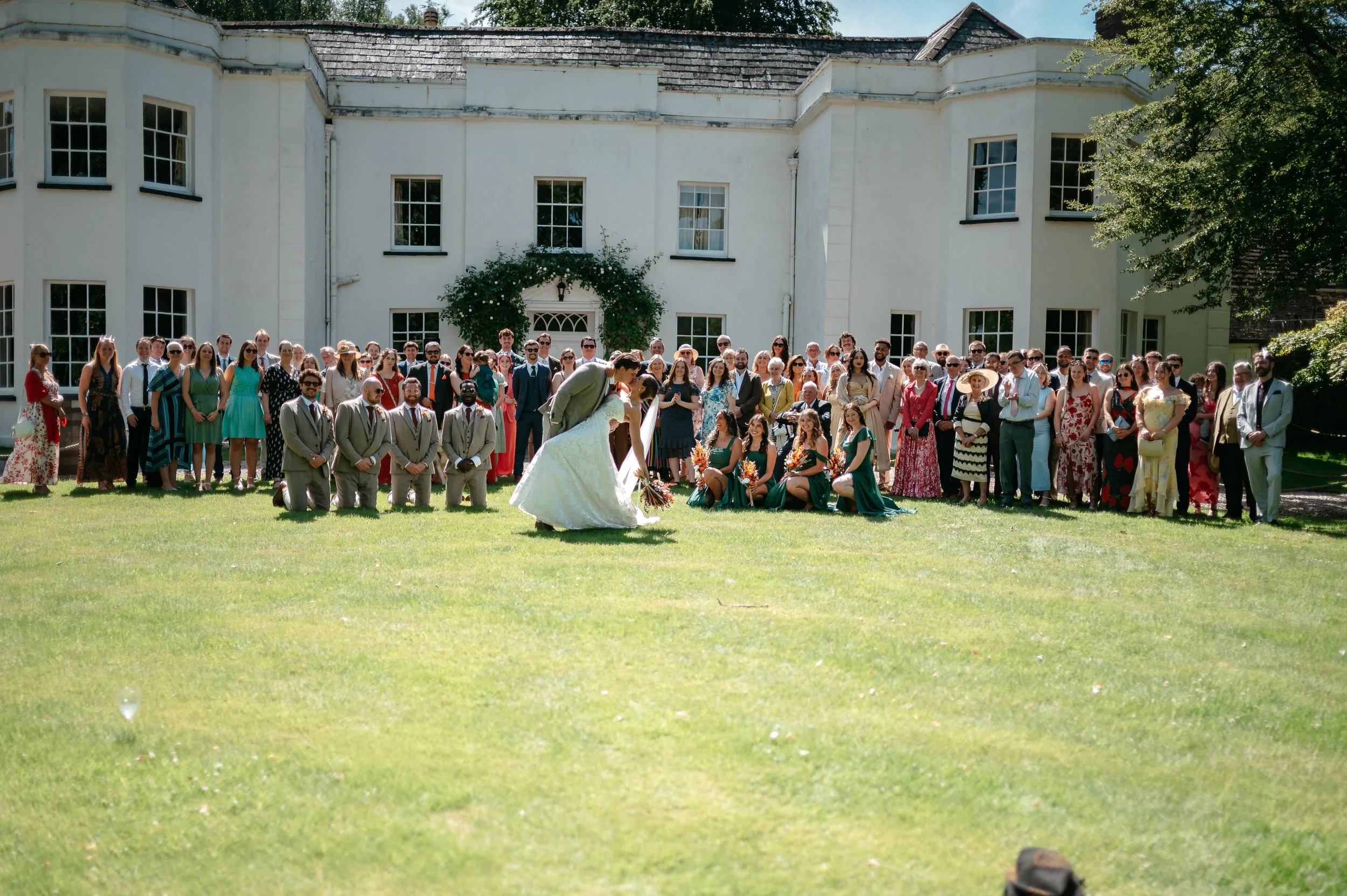
On 13 June 2026 I photographed Tiri and Edward's wedding at Tall John's House, a country house and barn venue in the Brecon Beacons, close to where Tiri grew up. One hundred and twenty guests, twelve hours of coverage, and a day built around giving people time. This is what a wedding there can feel like, and what I learned photographing it.
The venue
Tall John's House suits couples who want a country wedding with room to breathe. There is a walled garden for the ceremony, a barn with real character, and hills in every direction. It gives a day natural shape: quiet corners when someone needs a breather, open lawns when everyone comes back together. For photography it is generous in almost any weather, which matters in Wales.
Their story
When Tiri and Edward first told me about their wedding, they talked about giving people time. Time to arrive in Wales, settle in and get to know each other. Time for a drink and a conversation. Time to enjoy the celebration they had travelled to be part of. Their plans stretched beyond the day itself, with a gathering the evening before so guests arriving from further away had somewhere to eat, catch up and feel welcome.
"Rustic elegance" was how they described the vision: a sense of occasion, with enough ease for everyone to feel comfortable. There was a lovely personal connection to the venue too. When arranging their visit, Tiri recognised the owners' name through people she had known growing up.
The day
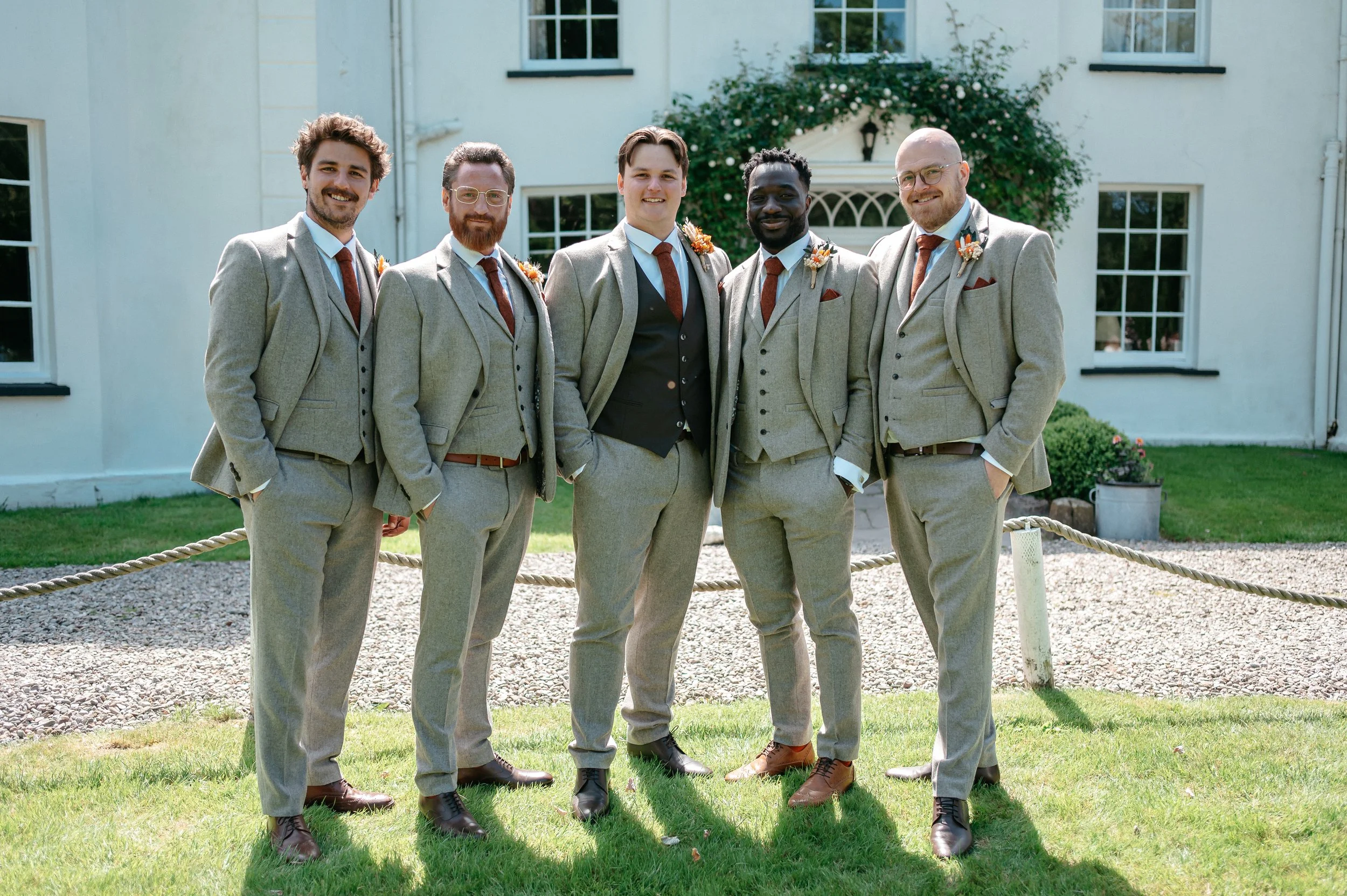
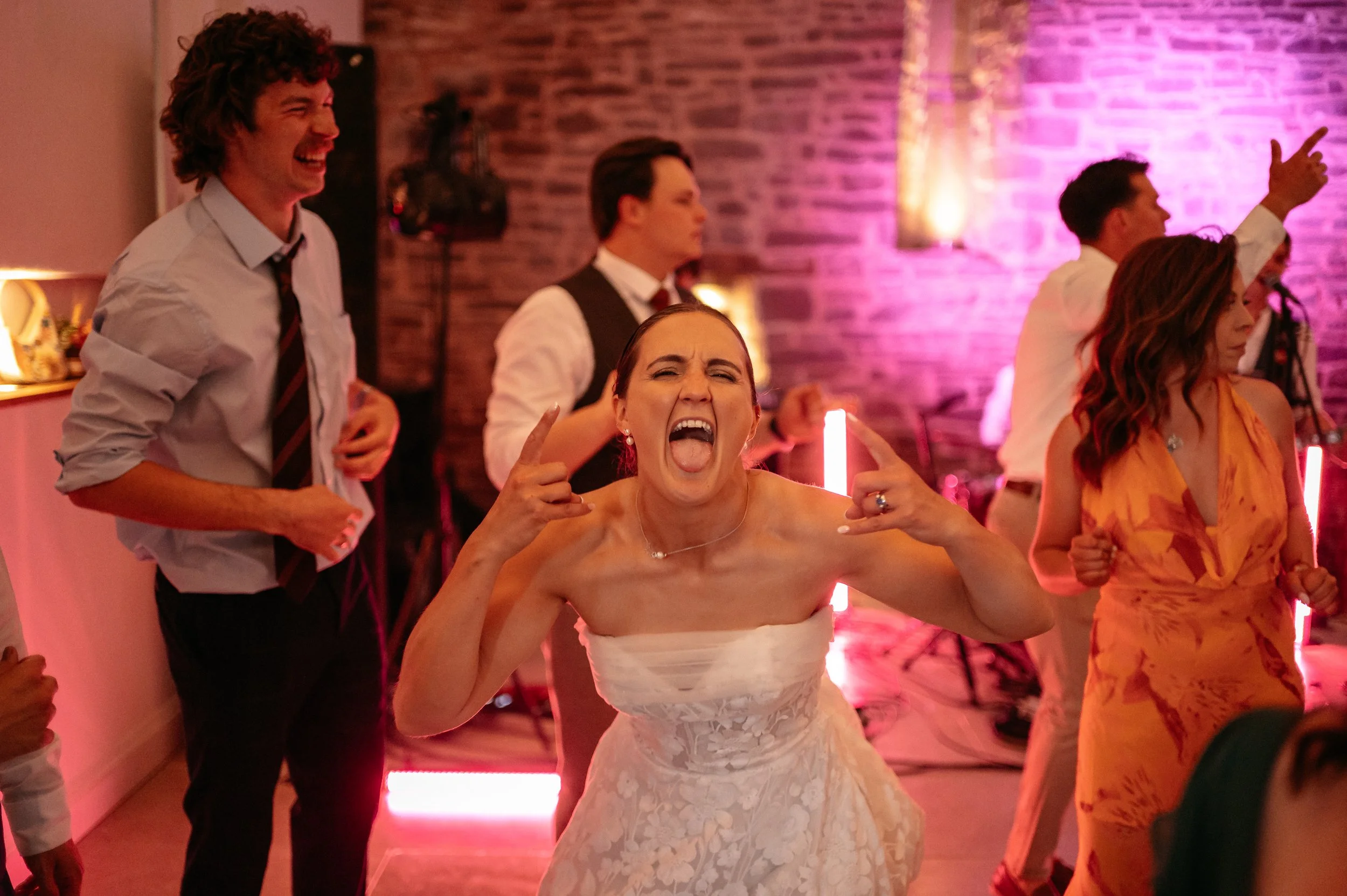
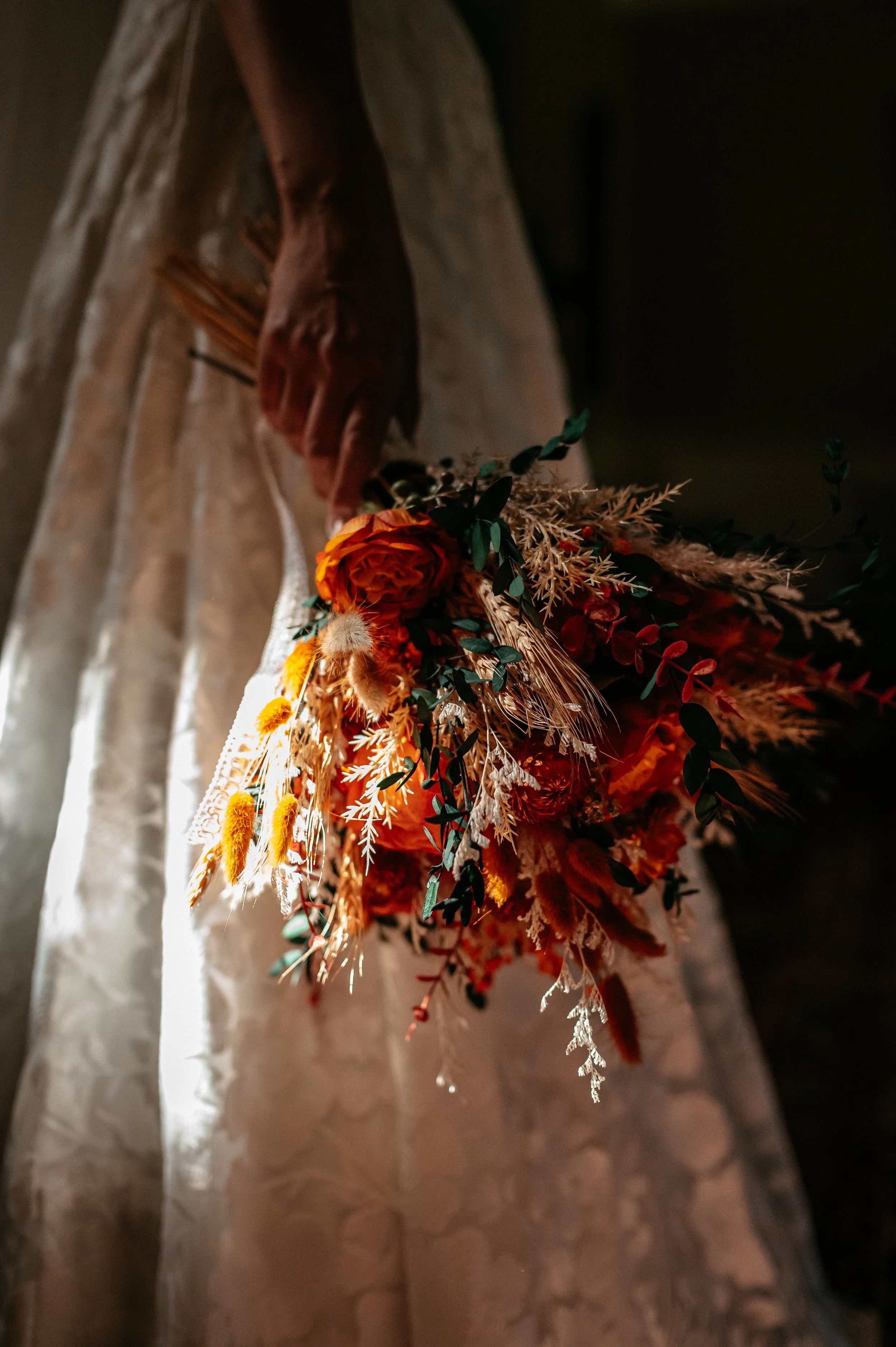
An emerald and burnt orange palette ran through the details and sat beautifully against the garden. The ceremony took place in the walled garden, drinks spilled out onto the lawns, and their dogs joined for the drinks reception, which told you everything about the atmosphere they wanted. It never felt like a schedule being obeyed. It felt like a party that happened to have a wedding inside it.
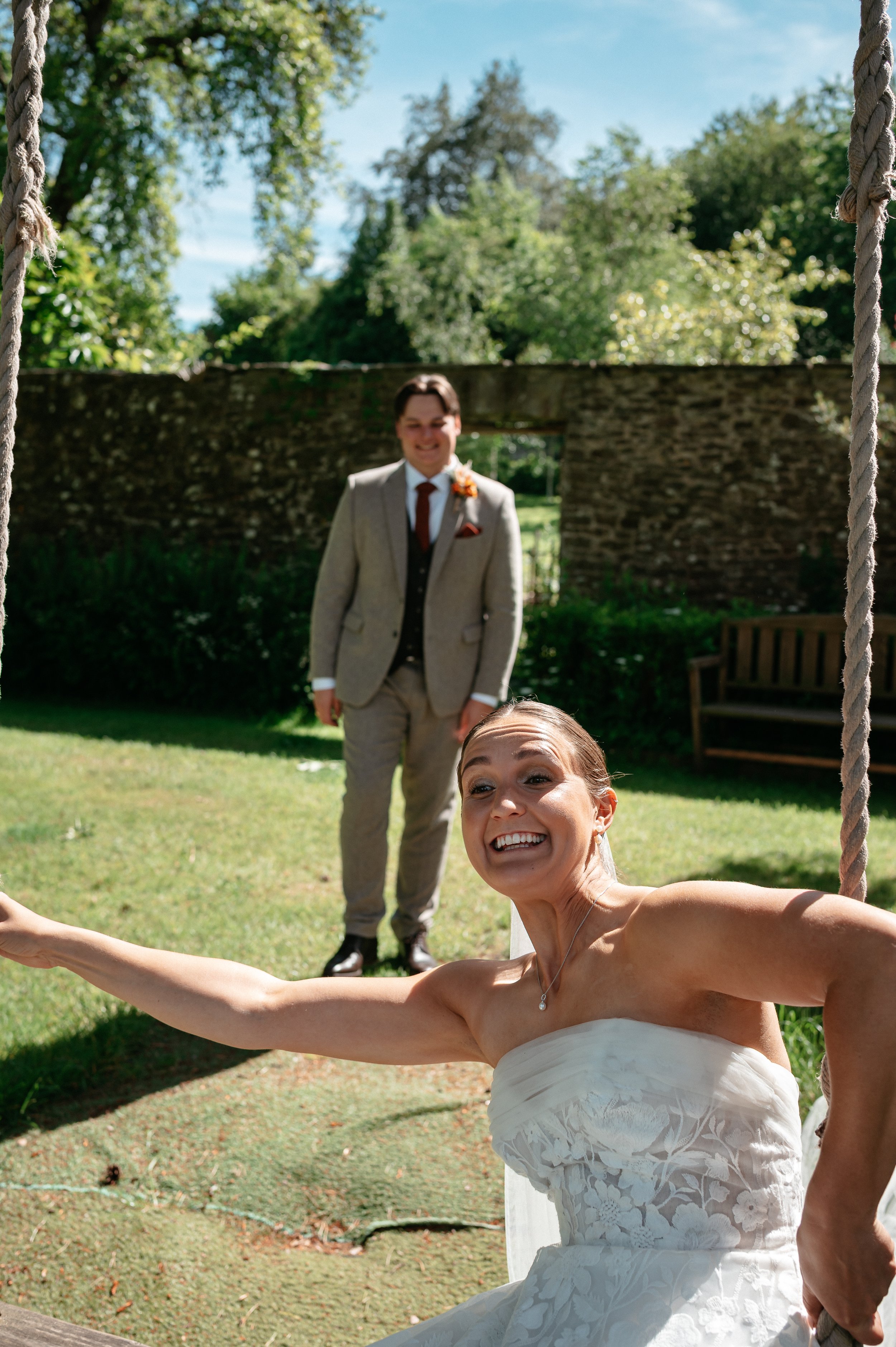
We kept the family photographs to a short, planned list, with someone who knew the guests helping gather people, so that part of the day stayed straightforward and everyone got back to enjoying themselves. For their portraits, Tiri and Edward wanted a little time alone together and a few photographs with personality - including one idea of Tiri's, a photograph looking through her veil, which became one of my favourites from the day. My approach throughout: offer direction when it helps, then step back and give people room to be themselves.
What they said
Afterwards, Tiri and Edward wrote that I had "considered our ideas and added and improved them when necessary", described me as "relaxed", and said I "blended into the background well to get those all important candid shots". Looking back at their photographs, they wrote: "Perfectly captured the mood and atmosphere of the day." That is exactly the feeling I want every couple to have: the freedom to carry on with their day, knowing someone is paying attention.
Planning your own Tall John's House wedding
A few things worth knowing if you are getting married here. Give the day room: Tall John's rewards couples who do not rush it, and twelve hours of coverage takes you from morning preparations to the dance floor without anything feeling squeezed. The walled garden works in most weather, but talk to the venue about the wet-weather plan so the ceremony decision is calm rather than last-minute. Keep your group photograph list short and ask someone who knows the guests to help gather people. And if you can, do what Tiri and Edward did - a gathering the evening before turns a wedding day into a wedding weekend, and the photographs are better for how relaxed everyone is by the time the day arrives.
If you are planning a wedding at Tall John's House, or anywhere in the Brecon Beacons and South Wales, I would love to hear about it. Tell me about your plans and we can talk through what your day could look like.
How much does a wedding photographer cost in the UK?
What does £3,500 include?
Before the wedding, we have a personal consultation and plan a photography timeline around your day.
There is no one useful number for every wedding photographer in the UK. Coverage, team size, travel and what you receive afterwards all change the quote. I can tell you exactly where mine begins: Studio Williams full-day wedding photography starts at £3,500. That includes two photographers, coverage from preparations into the evening, and the work of selecting and editing the final gallery afterwards.
What does £3,500 include?
Before the wedding, we have a personal consultation and plan a photography timeline around your day. Two photographers work together throughout the full-day coverage, so there is space to pay attention to the ceremony, the people around you and the details you chose without asking you to repeat a moment. I photograph what is happening and offer calm, brief direction for portraits.
After the wedding, I send a preview collection within 24 hours. The private online gallery typically holds 500 to 800 edited photographs, delivered within 12 weeks, with high-resolution and web-size downloads and personal printing rights. The number of images varies with the day; I would rather give you a coherent record than promise an arbitrary count.
Which choices change the final price?
For a larger celebration or several locations, a third photographer is listed at £400. A pre-wedding shoot is £600. An heirloom album starts at £500, and you can decide on one after seeing your complete gallery. Destination and multi-day celebrations are quoted around the plans involved, rather than given a one-size-fits-all figure.
Travel throughout mainland UK is included in the full-day collection. If overnight accommodation, flights or other travel arrangements are needed, those costs will be set out clearly in your proposal. That is worth checking with any photographer: a headline starting price matters less than the total for your actual date, location and coverage.
How do payments work?
A 50% booking fee secures your date once the agreement is signed, with the balance due four weeks before the wedding. Payment plans can also be arranged. I send a tailored proposal, so you can see the coverage, additions and investment together before deciding.
What should you ask when comparing quotes?
Ask when coverage begins and ends, whether a second photographer is included, how travel is treated, when the preview and full gallery arrive, and whether an album is part of the quote or optional. Look through a complete wedding gallery if you can, not only a few favourite portraits. It will show you how the photographer sees a whole day, including the moments between the big ones.
If you would like an exact quote for your plans, read the current investment details on my Investment page, then send me your date and venue through the contact page. I will come back with availability and a clear proposal. Planning a city wedding? Read our guide to London wedding photography for refined city weddings.
Liverpool wedding photography: Lucy and Mick at St John the Baptist
A real Liverpool wedding
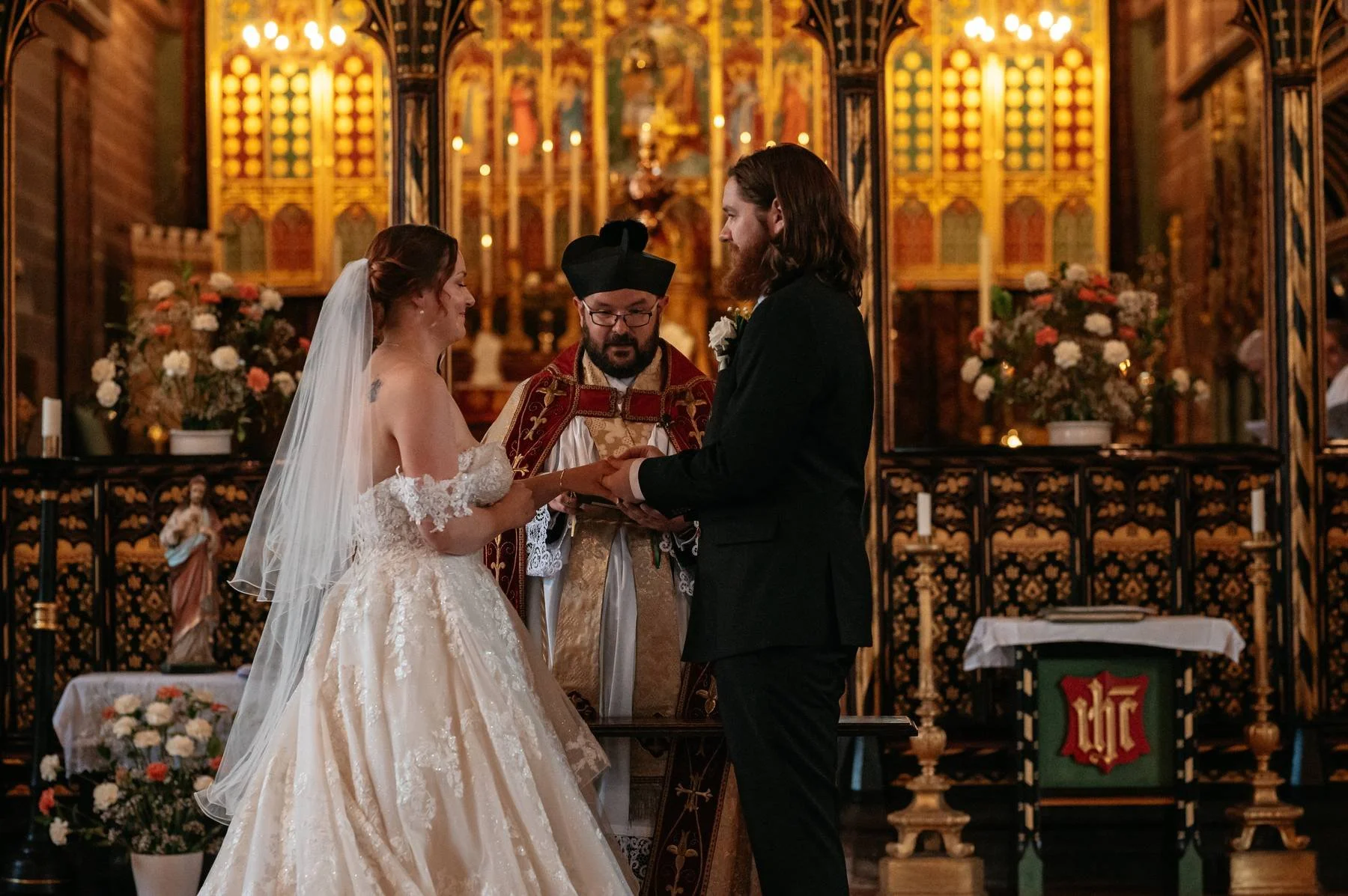
The photographs from this day are the starting point for this story, rather than a list of Liverpool landmarks I might photograph one day. In the ceremony image, the carved wood, stained glass and long aisle give the scene its shape, but Lucy and Mick remain at its centre. I look for that balance throughout a wedding: enough of the setting to remember where you were, and enough room for what happened there.
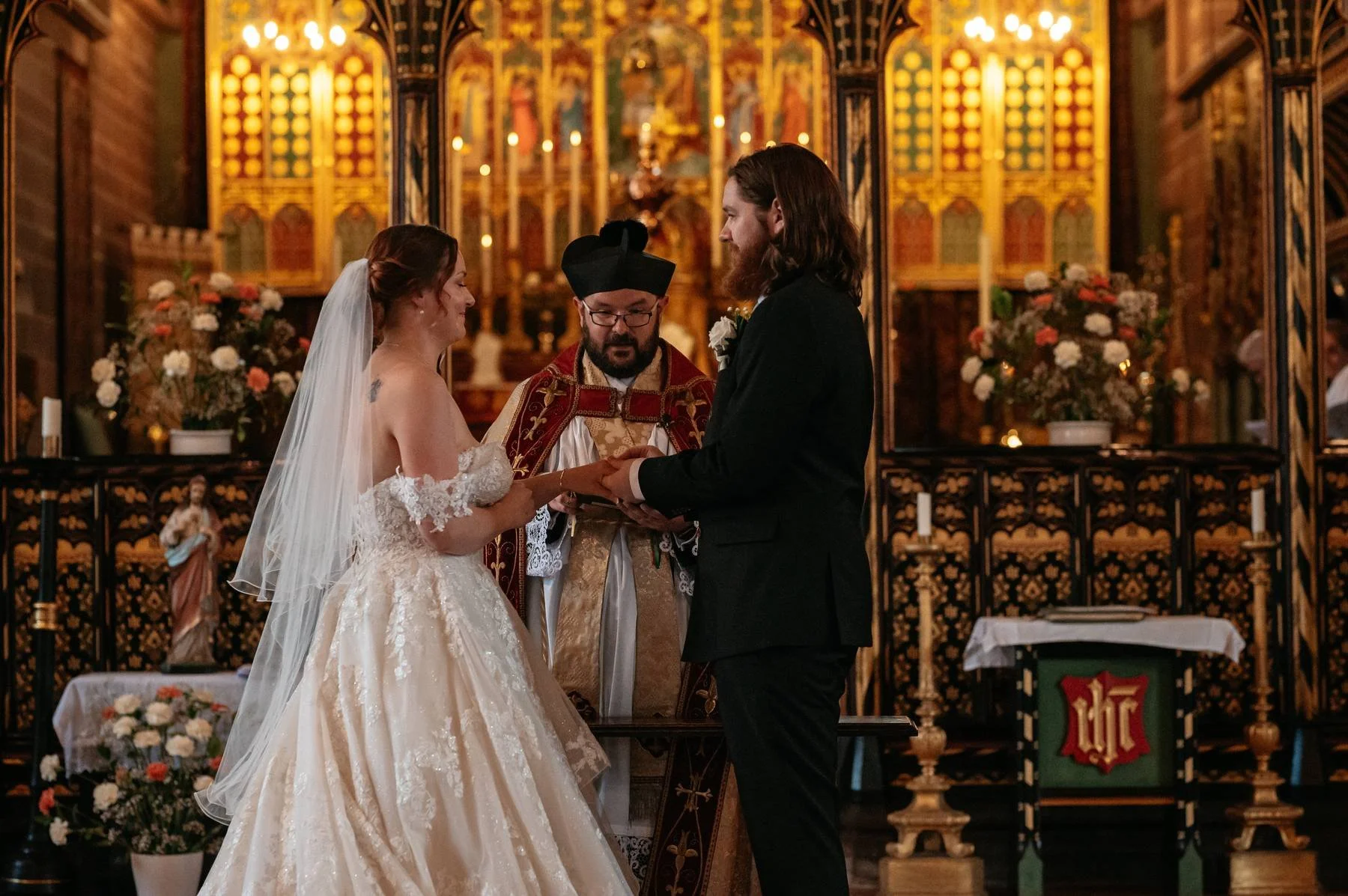
On 27 June 2026, I photographed Lucy and Mick's wedding at St John the Baptist in Liverpool. In one frame from their ceremony, the church stretches above them, the guests lean into the moment, and the two of them are right where they should be: focused on each other. It is the sort of image I want a couple to come back to years later, because it holds the people and the place as well as the event.
A real Liverpool wedding
The photographs from this day are the starting point for this story, rather than a list of Liverpool landmarks I might photograph one day. In the ceremony image, the carved wood, stained glass and long aisle give the scene its shape, but Lucy and Mick remain at its centre. I look for that balance throughout a wedding: enough of the setting to remember where you were, and enough room for what happened there.
Lucy and Mick described me afterwards as friendly and engaged, saying their guests thought I was “one of our mates who offered to do photos”. I love that. I can be close enough to notice a moment without turning the day into a performance for the camera.
Documentary moments and considered portraits
My approach starts before the wedding, with a conversation about the people, timings and photographs that matter to you. On the day, I keep an eye on what happens naturally and offer direction when a portrait needs it. The aim is a gallery with atmosphere and shape: the ceremony, the people around you, the quieter moments and portraits that still feel like you.
A Liverpool wedding does not need to look like someone else's Liverpool wedding. Tell me which places and people matter to you. I will plan around the day you are actually having, rather than fit you into a stock list of locations.
Planning your photography in Liverpool
When you enquire, share your date, ceremony and reception locations, and anything you already know about the flow of the day. If there is travel between places, we can build it into the photography timeline so portraits and group photographs do not swallow the time you wanted with your guests. If you are camera-conscious, we can keep portraits short and unforced, with simple direction when it helps.
For details on working together in the city, see my Liverpool wedding photography page and my approach. If you are planning a Liverpool wedding, tell me about it; I would love to hear what you have in mind.
Links:
Liverpool wedding photography page: https://www.studiowilliams.uk/liverpool-services
Approach: https://www.studiowilliams.uk/experience
Enquiry: https://www.studiowilliams.uk/contact
Creating the Perfect Wedding Day Timeline for a Calm and Enjoyable Experience
Most people are not used to being photographed all day.
That is completely normal.
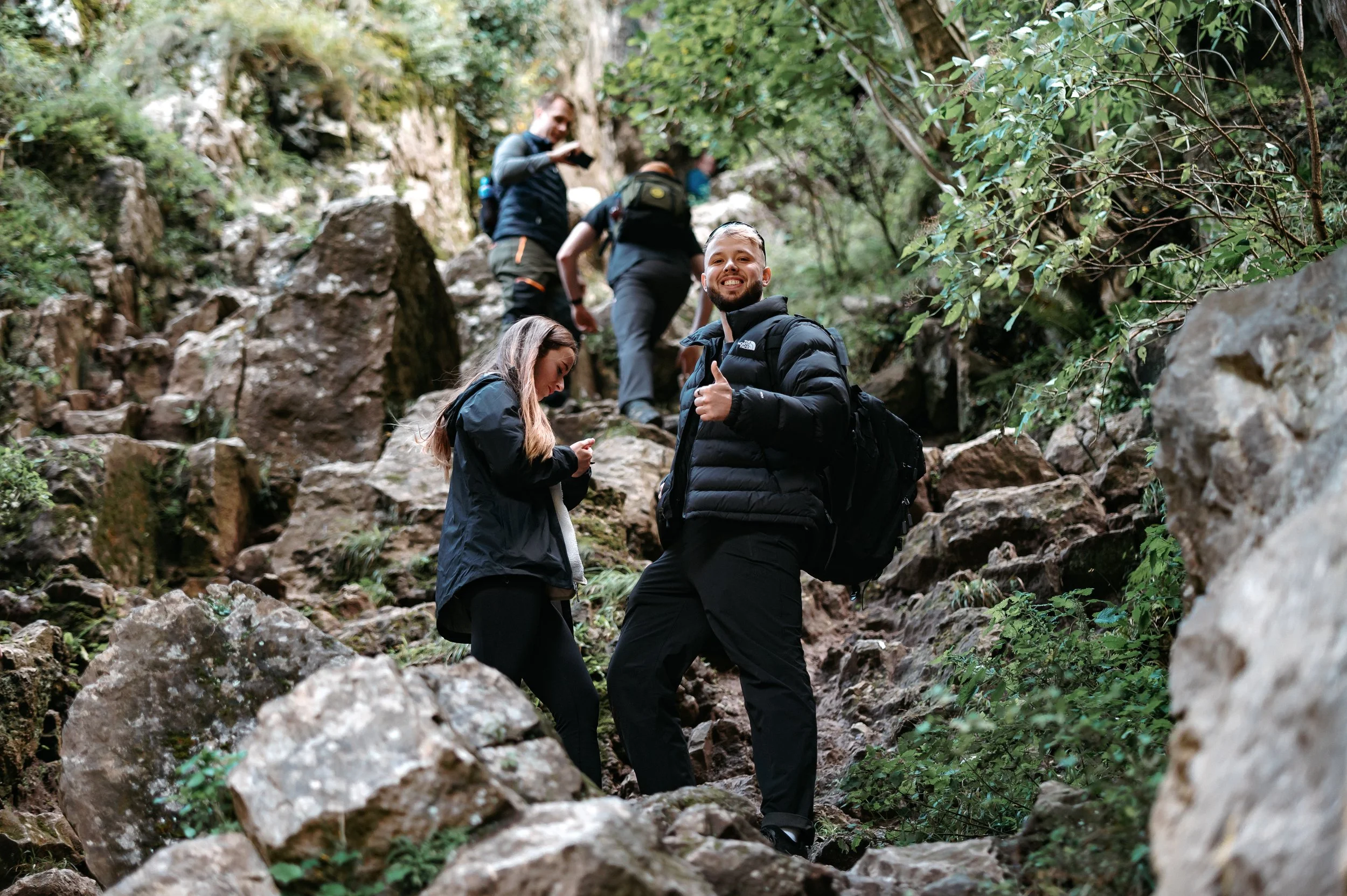
For many couples, one of the biggest worries before the wedding is not the weather, the speeches or even the timings. It is the feeling of being watched. The thought of having a camera nearby during emotional, private and important moments can feel strange, especially if you do not normally enjoy having your photograph taken.
Most people are not used to being photographed all day.
That is completely normal.
For many couples, one of the biggest worries before the wedding is not the weather, the speeches or even the timings. It is the feeling of being watched. The thought of having a camera nearby during emotional, private and important moments can feel strange, especially if you do not normally enjoy having your photograph taken.
This is one of the reasons I care so much about natural wedding photography.
To me, natural wedding photography is not about pretending the camera is not there. It is about creating enough trust, calm and space that you do not feel like you have to perform for it. The aim is not to turn your wedding into a photoshoot. The aim is to help you experience the day fully, while still leaving you with photographs that feel honest, considered and timeless.
If you are worried about looking awkward, not knowing what to do with your hands, or feeling uncomfortable in front of the camera, you are not alone. Almost every couple says some version of this before the wedding.
The good news is that feeling comfortable in your wedding photos has far less to do with being naturally confident and far more to do with the environment your photographer creates around you.
What if I hate being photographed?
This is one of the most common things couples say to me.
Usually, it does not mean they actually hate photographs. It means they hate feeling posed, exposed or judged. They hate being told to smile when it does not feel natural. They hate the idea of standing still for too long while someone studies every detail of how they look.
That is a very different problem.
A good wedding photographer should not expect you to arrive on the day knowing how to be photographed. It is not your job to know where to stand, how to hold yourself, or when to look at the camera. Your job is to get married, spend time with the people you love and enjoy the day you have planned.
My job is to understand what matters to you, read the room and guide you only when guidance is useful.
For most of the day, natural photographs come from presence. They happen during the morning preparations, the ceremony, the hugs afterwards, the drinks reception, the speeches, the dancing and all the small in-between moments that you could never stage properly. These photographs work because you are not trying to create them.
You are simply living the day.
That is why I never want couples to feel like they have to switch into performance mode. The best photographs usually happen when you feel safe enough to stop thinking about the photograph altogether.
Natural does not mean unconsidered
There is a misconception that natural wedding photography means leaving everything completely to chance.
That is not true.
Natural photography still requires intention. It requires awareness of light, timing, body language, movement and emotion. It also requires understanding when to step in and when to leave a moment alone.
The difference is that the direction should not feel heavy.
If I see that you need a slight adjustment during portraits, I will guide you. I might move you into better light, ask you to walk together, bring you closer, change the angle, or give you something simple to focus on. What I will not do is turn the moment into something that feels nothing like you.
The aim is not to create a version of you that looks impressive but unfamiliar. The aim is to create photographs where you still recognise yourselves.
That distinction matters.
The most natural wedding photographs are often the result of quiet direction, not no direction at all. You should feel looked after, not abandoned. You should feel guided, not staged.
How do you pose naturally for wedding photos?
Natural posing starts with movement.
Most people feel awkward when they are asked to stand still and hold a pose for too long. The longer you are asked to stay frozen, the more aware you become of every part of your body. That is when hands start to feel strange, smiles become forced and the whole thing begins to feel uncomfortable.
Movement solves a lot of that.
Walking together, adjusting a jacket, holding hands, leaning into each other, stepping away from the noise for a few minutes, laughing at something real, or simply taking a breath together can create far more honest photographs than a rigid pose.
The best direction is usually simple enough that you do not overthink it.
I might ask you to walk slowly, talk to each other, take a minute away from everyone, or focus on each other rather than the camera. Sometimes the instruction is less about how you look and more about giving you permission to be present.
That is where the photographs start to feel like you.
Natural posing is not about pretending there is no photographer. It is about giving you something comfortable to do, then photographing the real connection that happens around it.
Will my wedding photos feel staged?
They shouldn’t.
There will always be a small number of moments where a little structure is useful. Family photographs need a plan. Couple portraits need time and space. Details sometimes need to be arranged so they are photographed clearly. None of that means your wedding has to feel staged.
The key is balance.
A wedding day should not be interrupted constantly for photographs. Your photographer should know when to work quickly, when to prepare in advance and when to let the day unfold.
For example, family photos can feel stressful if nobody knows who is needed. They can also feel calm and efficient with a short list, a clear order and one helpful person who knows the families. Couple portraits can feel awkward if they drag on for an hour with no clear purpose. They can also feel like a welcome pause if they are kept relaxed, intentional and timed properly.
The photographs should support the experience, not take over it.
That is especially important at weddings where the atmosphere matters deeply. If you have spent months planning a day around your guests, your families, the setting, the food, the music and the feeling in the room, photography should not pull you away from that for longer than needed.
It should help you remember it.
Why comfort starts before the wedding day
Feeling comfortable in front of the camera does not begin when I arrive in the morning.
It starts much earlier.
The conversations before the wedding matter because they help me understand what you value, what you are nervous about and what you want the day to feel like. Some couples want a short, quiet portrait session and then to get straight back to their guests. Some want more time for editorial portraits. Some care deeply about family photographs. Some would rather keep things mostly documentary.
None of those answers are wrong.
The important thing is knowing them before the day arrives.
This is why pre-wedding conversations are such a valuable part of the process. They are not just admin. They are how we remove uncertainty. They help us plan timings, priorities, family dynamics, group photos, travel between locations and the kind of support you may need from me on the day.
When those things are clear, you can relax more easily.
You are not wondering what happens next. You are not being surprised by endless photo requests. You know there is a plan, and you know that plan has been built around your experience, not just the gallery.
Engagement shoots can help, but they are not essential
An engagement shoot can be a useful way to get comfortable before the wedding.
It gives you the chance to understand how I work, how little pressure there needs to be and how simple natural direction can feel. It also helps remove the fear of the unknown. Once you have been photographed in a calm way before, the wedding day often feels much easier.
That said, you do not need an engagement shoot to have natural wedding photographs.
Some couples book one because they want the practice. Others book one because they would like photographs of themselves outside the wedding day. Some do not feel they need one at all.
The most important thing is not whether you have practised. It is whether you trust the person photographing you.
If you trust your photographer, you will feel less like you are being watched and more like you are being looked after.
How I help couples feel comfortable on the day
My approach is built around discretion, calm and trust.
That means I am not trying to dominate the room. I am not constantly interrupting moments. I am not asking you to repeat things unnecessarily for the sake of content. I am there to observe, anticipate, guide where needed and create an environment where you can stay present.
A lot of that work is quiet.
It is knowing when to give you space in the morning. It is helping family photographs move efficiently. It is making portraits feel like a short pause rather than a performance. It is noticing when someone feels nervous and giving them something simple to do. It is understanding that the groom deserves the same care and attention as the bride. It is being aware that the best suppliers improve the day without becoming the centre of it.
Couples often think comfort comes from confidence.
In reality, comfort usually comes from trust.
If you feel rushed, judged or over-directed, you will naturally close up. If you feel understood, supported and gently guided, you are far more likely to relax into the day.
That is when the photographs begin to carry the feeling of the wedding, not just its appearance.
Practical ways to feel more comfortable in your wedding photos
There are a few simple things you can do before the wedding to make the photography feel easier.
First, be honest with your photographer. If you feel nervous about being photographed, say so. A good photographer will not see that as a problem. They will see it as useful information.
Second, think about the kind of photographs you are naturally drawn to. Are they quiet and emotional? Stylish and editorial? Candid and full of movement? Family-centred? Detail-led? You do not need a huge moodboard, but a little clarity helps.
Third, build enough breathing room into the timeline. The more rushed the day feels, the harder it is to feel comfortable. Even ten minutes of space can make a difference.
Fourth, avoid trying to copy photographs that do not feel like you. Inspiration is useful, but your wedding should not become a performance of someone else’s day.
Finally, remember that you do not have to be good at being photographed. You just have to be present.
The rest is part of the photographer’s responsibility.
FAQs about feeling comfortable in wedding photos
What if we are both awkward in front of the camera?
That is completely fine. Most couples feel awkward at first. The aim is not to force you into poses that feel unnatural. It is to use simple direction, movement and conversation so you have something comfortable to focus on.
Do we have to look at the camera?
Not all the time. Some photographs will naturally include camera-aware portraits, especially for family photos or a few classic couple portraits. Most of the day, though, you will be photographed interacting with each other and your guests.
How long do couple portraits need to take?
It depends on the wedding, the venue and what you want from the gallery. For many couples, a short, relaxed portrait session is enough. Some prefer two smaller windows of time, one after the ceremony and one later in softer evening light. The important thing is that it fits the flow of the day.
Can natural wedding photography still look elegant?
Yes. Natural does not have to mean casual or messy. A photograph can feel honest and still be composed beautifully. The balance I look for is documentary feeling with editorial care.
Should we book an engagement shoot if we are nervous?
It can help. An engagement shoot gives you a chance to experience being photographed before the wedding, which often makes the day feel less intimidating. It is not essential, but it can be useful if camera confidence is a concern.
Natural wedding photography is about trust
Feeling comfortable in front of the camera is not about becoming someone else for the day.
It is about being given enough space, guidance and reassurance to feel like yourself.
That is what I want for every couple I photograph. I want you to enjoy the day as it happens, not spend it worrying about how you look. I want the photographs to feel considered but not forced. I want you to remember the people, the atmosphere, the laughter, the quiet moments and the feeling of being fully there.
The camera should never become the centre of your wedding.
It should simply help you remember it honestly, beautifully and without unnecessary interruption.
If you are planning a wedding and feel nervous about being photographed, that is not something to hide. It is something we can work with. With the right approach, natural wedding photography can help you feel calm, present and comfortable enough to simply enjoy the day.
To learn more about how I work, you can read more about my approach, explore engagement shoots, or enquire with Studio Williams about your wedding.

Wedding Day Timeline: How to Actually Enjoy Your Day
A good wedding timeline is not about squeezing more into the day.
It is about giving the day enough room to happen.
When a timeline is built properly, you feel calmer…
A good wedding timeline is not about squeezing more into the day.
It is about giving the day enough room to happen.
When a timeline is built properly, you feel calmer. Your guests know where they are meant to be. Your suppliers can do their jobs properly. Your photography has space to breathe without taking over the day.
That matters because your wedding should not feel like a photoshoot with a ceremony in the middle. You should be able to enjoy the morning, speak to your guests, have time alone together, eat your food while it is still warm, and look back at the photographs knowing the day felt like yours.
As a wedding photographer, I am not just thinking about when to take photographs. I am thinking about how the day feels. Where the light will be. When people are likely to be relaxed. When the room needs turning around. When family photos can happen without frustrating everyone. When to step in, and when to leave a moment alone.
This is why your wedding day timeline is so important. The timeline is not just logistics. It shapes the whole experience.
Why your wedding timeline matters for photography
Your wedding photographs are affected by time more than most couples realise.
If the morning is rushed, the prep photographs feel rushed. If the ceremony ends late and group photos are not planned properly, the drinks reception disappears. If portraits are pushed into the harshest light of the day, the photographs become harder than they need to be. If speeches overrun and the evening starts late, there is less room for natural guest coverage.
None of that means your day needs to run like a military operation.
It just means the timeline needs to be realistic.
The best timelines are simple. They protect the moments that matter, but they also leave enough space for the parts you cannot plan. A hug with your dad before the ceremony. A quiet moment after the aisle. Your guests spilling outside with drinks. Someone making you laugh when you were supposed to be having a serious portrait.
Those moments are usually the ones couples love most afterwards.
How long should wedding photos take?
Most couples want to know how much of the day photography will actually take.
The honest answer is that most of the day should not feel like it is being taken up by photography at all.
The documentary side of my work happens around you. Morning prep, ceremony, guests arriving, drinks reception, speeches, evening movement and the dance floor are all photographed as they happen. You do not need to stop every five minutes for a camera.
The main parts that need planned time are:
Morning prep details and final getting ready moments
Family group photos
Couple portraits
Room details before guests sit down, if possible
Any specific personal moments you want captured
For most weddings, family photos can be done in 10 to 20 minutes if the list is sensible and someone from the wedding party helps gather people. Couple portraits usually need 15 to 25 minutes. If the weather and light are good later on, I will often suggest another 5 to 10 minutes around golden hour.
That is usually enough.
You do not need to disappear for an hour while your guests wonder where you have gone.
A simple wedding day timeline
Your Wedding Day Timeline
-
2 to 3 hours before ceremony
Morning Preparations
Details, natural prep moments, final hair and makeup, getting into the dress, and calm portraits before leaving.
-
Ceremony time
The Ceremony
Documented quietly from the aisle to the recessional. Ask your officiant to announce an unplugged ceremony if you would like phones kept away.
-
Immediately after
Confetti & Drinks Reception
Let congratulations happen naturally. Confetti straight after the ceremony keeps everyone in one place before guests drift to drinks.
-
20 to 30 minutes into drinks
Family Group Photos
A short, focused list with a loud helper from the wedding party. Usually done in 10 to 20 minutes.
-
During drinks reception
Couple Portraits
A calm pause, not a performance. 15 to 25 minutes of simple movement and quiet light away from the crowd.
-
Before or after the meal
Speeches
Before the meal suits nervous speakers. After the meal suits a settled audience. Good light and clear sight lines help the photographs.
-
After the meal, before first dance
Golden Hour Portraits
Optional but often worth it. Five to ten minutes in softer light when the formal parts of the day are behind you.
-
Evening
First Dance & Celebration
The evening unfolds naturally. Dance floor, candid guest moments, and the relaxed end to the day.
This is a starting point. Adjust it around your ceremony time, travel and what matters most to you.
When should speeches happen?
Speeches can happen before or after the meal, but both options change the feeling of the day.
Before the meal can work well if the speakers are nervous and want them out of the way. It can also help the meal feel more relaxed afterwards.
After the meal can work well if you want guests settled, fed and ready to react. The downside is that nervous speakers may spend the whole meal thinking about their speech instead of enjoying it.
From a photography point of view, the main thing is making sure speeches happen in good light where possible. If speeches are in a dark corner, against a cluttered background, or with the speaker standing in a difficult position, the photographs will still be honest, but they may not be as clean as they could be.
Small adjustments help.
Stand where guests can see you. Avoid having serving staff walking behind you. Keep the top table clear if possible. Make sure the couple can see the speaker properly, because reactions are often more important than the speech itself.
Should you plan golden hour portraits?
If the weather allows, yes.
Golden hour portraits are not essential, but they are often worth building in. You do not need long. Five to ten minutes can be enough.
This usually happens later in the evening, after the meal and before the first dance. The light is softer, the pressure of the formal parts of the day has passed, and couples tend to feel more relaxed.
That is often when portraits feel most natural.
If the light is not there, we do not force it. A good wedding gallery should not depend on one sunset. It should tell the full story of the day.
Planning a city wedding? See our London wedding photography guide for how light and Royal Parks permits affect the timeline.
What if the timeline runs late?
It probably will at some point.
That is normal.
The aim is not to create a timeline where nothing ever moves. The aim is to create one with enough space that small delays do not cause panic.
If hair and makeup runs over by 15 minutes, the morning should still work. If family photos take slightly longer, the drinks reception should not fall apart. If speeches overrun, the evening should still have room to breathe.
This is where experience matters. I will always look for ways to adapt without making the day feel interrupted.
Sometimes that means shortening a portrait session. Sometimes it means moving family photos to a better moment. Sometimes it means letting something go because the real moment happening in front of us is more important than the planned one.
The timeline should serve the wedding, not the other way round.
A timeline should help you stay present
The reason I care about timelines is not because I want the day to be overly controlled.
It is the opposite.
A good timeline gives you freedom.
It means you are not constantly being pulled into decisions. It means your planner, photographer and venue know what is meant to happen next. It means your family photos are organised before anyone has had too much champagne. It means you get time with your guests, time together, and time to actually experience the day you have spent months planning.
That is the point.
Not more content.
Not more posing.
Not a day that looks good but feels rushed.
Your wedding should feel like something you lived through, not something you performed for the camera.
Wedding day timeline FAQs
How much time should we allow for couple portraits?
I usually recommend 15 to 25 minutes earlier in the day, with the option of another 5 to 10 minutes later if the light is good. You do not need to be away from your guests for an hour to get strong portraits.
How long do family photos take?
With a clear list and someone helping gather people, most family photos can be done in 10 to 20 minutes. The list is what makes the difference. Keep it focused on the photographs you will genuinely want afterwards.
Should photography start with bridal prep?
It depends on the day. Morning prep is useful if you want the full story documented, including details, family moments and the build-up before the ceremony. If both partners are getting ready nearby, it may also be possible to cover both.
Do we need a first look?
No. A first look is useful if you want a private moment before the ceremony or if the timeline is tight later in the day. It is not essential. If you want the aisle moment to be the first time you see each other, that is completely fine.
What happens if it rains?
We adapt. I will look for covered areas, strong indoor light, windows, doorways, sheltered spots and moments between showers. Rain does not ruin a wedding gallery. A lack of planning can make things harder, but the weather itself is not the problem.
Should we give our photographer a shot list?
For family photos, yes. For the full day, not usually. It is helpful to know about important people, personal details and anything unusual happening. It is not helpful to work through a long generic list that pulls attention away from the day itself.
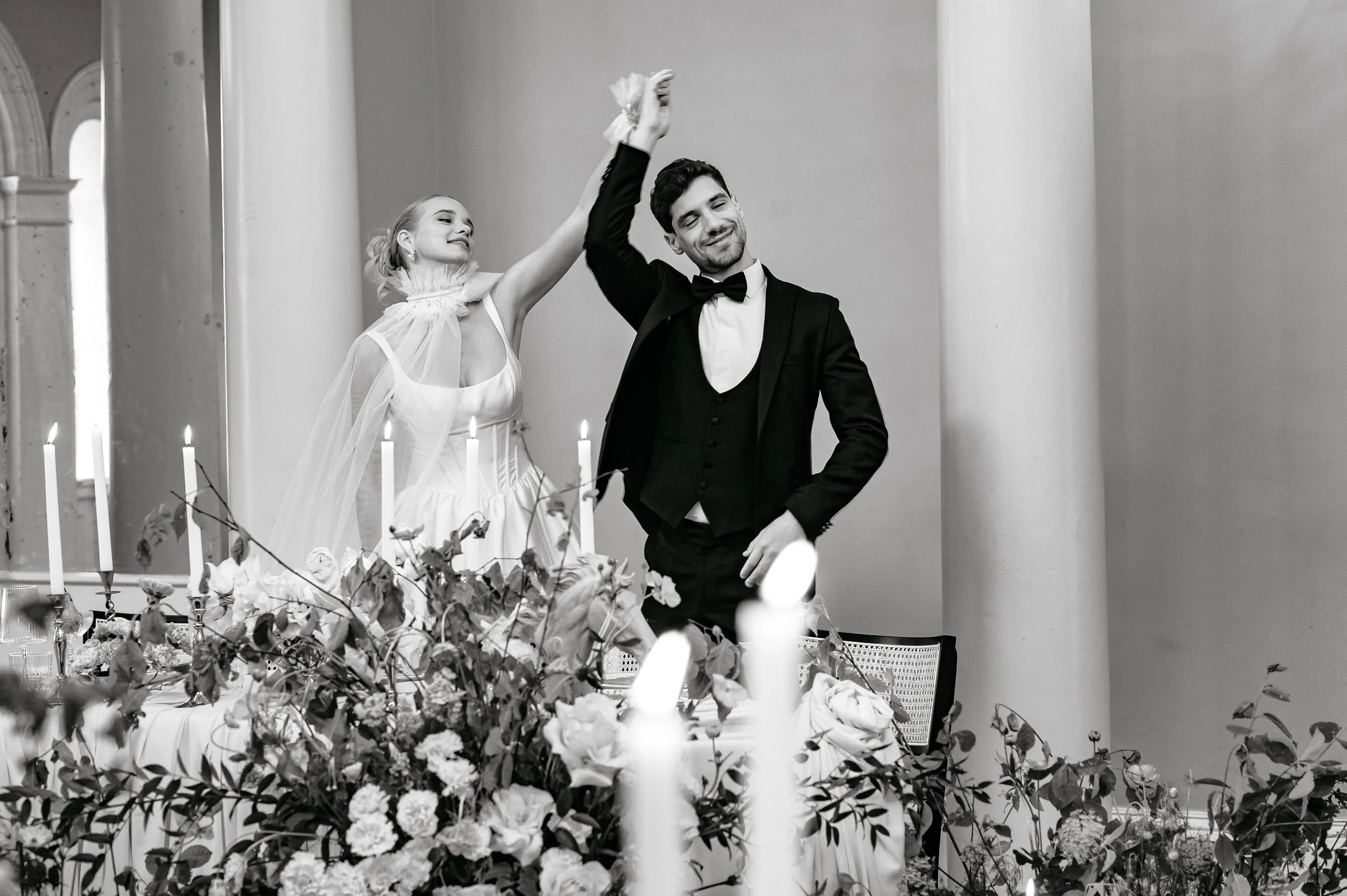
Hampshire Wedding Photography for Country House and New Forest Weddings
Hampshire works well if you want a wedding that feels like a weekend away, without making travel difficult for guests.
Hampshire gives you options.
You can have a country house wedding near Winchester, a New Forest celebration surrounded by trees, a barn wedding with everyone staying on site, or a coastal wedding close to the Solent.
That variety is why Hampshire works so well for couples who want a wedding that feels considered, but not overdone. You can create something with structure, space and a sense of occasion, while still giving your guests room to relax.
For photography, that matters.
The best wedding photographs rarely come from forcing the day to look a certain way. They come from understanding the setting, the light, the timings, and the people in front of the camera. Hampshire has the kind of venues where all of those things can work together.
My approach is simple. I want your photographs to feel honest, timeless and easy to return to. Documentary coverage for the parts of the day that should be left alone. Editorial direction when it helps. Nothing heavy-handed. Nothing that pulls you away from the reason you are there.
Why choose Hampshire for your wedding?
Hampshire works well if you want a wedding that feels like a weekend away, without making travel difficult for guests.
It has strong road and rail links, countryside venues, coastal settings and access to the New Forest. That makes it especially useful for couples planning a wedding with guests coming from London, the South Coast or further afield.
From a photography point of view, Hampshire offers three things I always look for.
Space, texture and flexibility.
Space gives the day breathing room. Guests can move between ceremony, drinks, dinner and dancing without everything feeling compressed.
Texture gives the photographs depth. Old brick, timber, glasshouses, parkland, gardens, woodland and water all photograph differently throughout the day.
Flexibility matters because weddings rarely run exactly to time. Weather changes. Speeches overrun. Someone disappears before group photos. A good venue, a good planner and a calm photography approach keep the day moving without making it feel managed.
What style of photography suits a Hampshire wedding?
Hampshire suits a blend of documentary and editorial wedding photography.
A purely documentary approach can capture the real moments, but it may miss the chance to use the setting with intention. A purely editorial approach can look polished, but it can also interrupt the day too much.
For me, the balance sits in the middle.
Most of the day is photographed as it happens. Morning preparations, guests arriving, ceremony moments, drinks, speeches, evening movement, dance floor energy and the little moments couples usually miss on the day.
Then, when the light is right, I will guide you for portraits.
That does not mean posing for an hour. It might be ten minutes in the grounds after dinner. It might be a short walk through the gardens. It might be stepping outside while the room is being turned around. The aim is to give you photographs that feel refined without making the day about the camera.
Good editorial direction should not feel like performing. It should feel like having someone quietly help you stand in the right light.
Hampshire wedding venues worth looking at
Here are a few Hampshire venues that work well for couples planning country house, barn, coastal or New Forest weddings.
Avington is close to Winchester and offers Georgian rooms, parkland, riverside ceremony spaces and accommodation for multi-day celebrations. It is the kind of venue where photography can move naturally between interiors, gardens and wider estate moments.
Pylewell Park is a country house near Lymington with exclusive-use potential, sea views, gardens and private beach access. For couples wanting a coastal Hampshire wedding without losing the feel of a country estate, it is a strong option.
Somerley is a private estate near Ringwood with a stately home, woodland, marquee options and accommodation. It suits larger weddings, planner-led celebrations and couples who want the venue to feel like a world of its own.
Clock Barn is an exclusive-use barn venue in the Hampshire countryside with accommodation, outdoor ceremony spaces and a clear guest flow across the day. It is a good fit for couples who want warmth, structure and a venue that keeps everything in one place.
Penton Park is a private country house with limited availability, south-facing grounds, indoor ceremony spaces and a nearby village church. It works well for couples who want privacy, family atmosphere and a more personal house-party feel.
You could also look at venues around the New Forest, Winchester and the South Downs if you want a setting with more landscape, more guest accommodation or easier access from London.
What should you ask a Hampshire wedding photographer?
Couples often search for the same questions when they start looking for a Hampshire wedding photographer.
Do you travel to Hampshire?
Yes. I photograph weddings across the UK and internationally. Hampshire is a strong fit for the kind of weddings I want to photograph more of: country houses, private estates, refined barns, coastal celebrations and planner-led weekends.
Do you need a second photographer?
Sometimes. If both of you are getting ready in different locations, if you have a large guest list, or if you want more coverage of guest reactions during the ceremony and speeches, a second photographer can be useful. If everything is happening at one venue and the timeline is realistic, one photographer can still cover the day well.
How long do group photos take?
They should not take an hour. With a clear list and someone from the wedding party helping gather people, I usually aim to keep family photos short and efficient. The goal is to get the important photographs without making guests stand around or pulling you away from the day for too long.
What happens if it rains?
We plan around it. Hampshire venues often have strong indoor options, covered spaces, glasshouses, barns, staircases, drawing rooms or sheltered entrances. Rain is only a problem if there is no plan. I will always look for light, background and movement, whether we are outside in the grounds or using the interiors properly.
How soon do we get our photographs?
I provide a preview selection within 24 hours so you have key images to share. The full gallery is delivered within the agreed timeframe, with every image edited in my true-to-life style.
Planning your photography around the day
A good Hampshire wedding timeline should leave space for the day to breathe.
You do not need a huge portrait session. You do need small pockets of time in the right places.
I would usually look for:
A calm prep window before the ceremony
Time for natural guest arrivals
A short and efficient family photo section
Ten to twenty minutes for couple portraits
A second short portrait window later if the light is good
Enough time to capture the room before guests sit down
Space around speeches, evening guests and the first dance
The best timelines are not the ones packed with photo slots. They are the ones that allow the real parts of the day to happen without being rushed.
That is especially important if you are working with a planner. A good planner will already be thinking about movement, supplier timings, room turns, food service and guest experience. My job is to fit into that, not fight against it.
The photography should support the day.
Not slow it down.
Looking for a Hampshire wedding photographer?
If you are planning a wedding in Hampshire, the New Forest, Winchester or along the South Coast, I would love to hear what you have planned.
My work is built around timeless wedding photography without the stress. I focus on the real moments, the in-between parts of the day, and portraits that feel guided without feeling staged.
You should be able to enjoy the day while trusting that it is being photographed properly.
Not just the big moments.
The whole feeling of it.
If you are looking for a Hampshire wedding photographer who can work calmly alongside your planner, venue and guests, you can enquire through Studio Williams and tell me what you are planning.
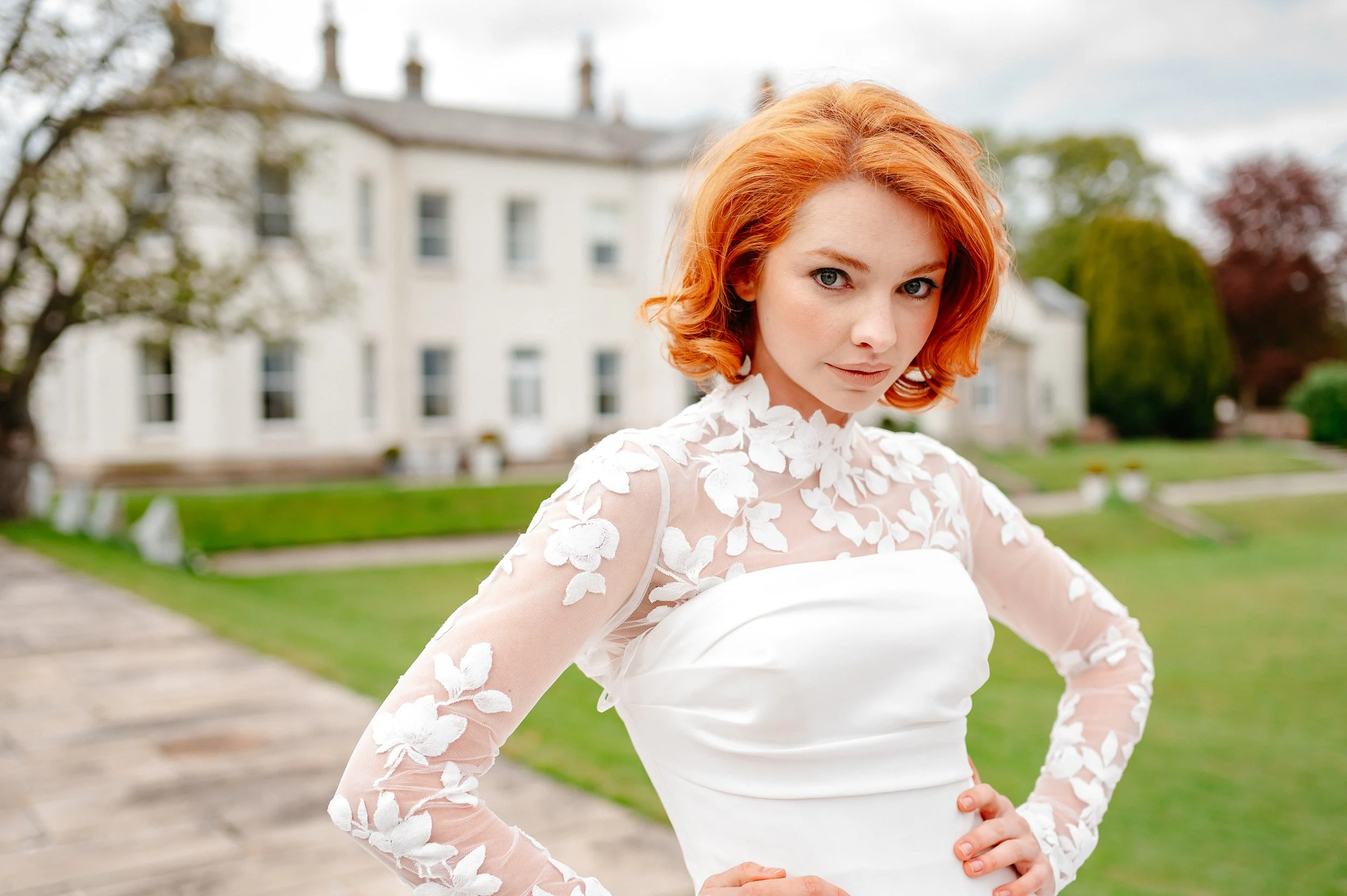
Yorkshire Wedding Photographer: Timeless Country House and Manor Weddings
Plan the timeline with light in mind. Golden hour in summer is late, so an evening portrait session around 7–8pm gives that soft glow. In winter or rain, we may use the grand interior halls for portraits with window light. Either way, look at sunrise/sunset times for your date.
Why Yorkshire is a dream wedding destination
Yorkshire combines the best of countryside and culture in one place. Rolling hills, sweeping moors, and open skies give soft, flattering light (especially during the golden hour), often considered a photographer’s “dream” for natural, atmospheric images. The changeable weather can add drama (misty mornings or sunbreaks make stunning backdrops) rather than a problem. At the same time, the county is well-connected: Leeds and York city centres have train stations and airports nearby, so guests can travel easily, yet once you arrive, you feel far from the everyday hustle. Yorkshire is also famous for warm, friendly hospitality; venue staff and suppliers are known for making planning easier, and couples feel welcome.
A Yorkshire wedding usually becomes an experience to remember. Unlike a one-day affair, many couples treat it as a country-house weekend. There might be a welcome dinner at a pub or hotel the night before, a relaxed morning getting ready on the estate, the ceremony in a grand hall or marquee, a long evening meal by firelight, and even a casual next-day brunch. This relaxed pace lets guests enjoy the scenery and each other’s company. As a photographer, I weave through all these events, documenting not just the ceremony and party, but the build-up and downtime, the quiet walks in the gardens, the laughter at the bar, the toast by candlelight, so the album captures the whole story of the wedding day.
Venue types and photography considerations
Yorkshire’s variety of venues means different photo opportunities and challenges. Here are common categories and what they mean for photography:
Venue Type Characteristics and Photography Notes:
Historic Country House / Stately Home (e.g. Goldsborough Hall, Middleton Lodge). Grand rooms, period details and formal gardens. High ceilings and large windows give natural light for portraits, and sweeping lawns or flower gardens make beautiful backdrops. Indoors, be aware of mixed lighting (window light plus candles) and wide halls. Plan key shots like a portrait on a grand staircase or in a garden arcade. A place like Goldsborough Hall is “a 16th-century historic house” set in landscaped grounds, perfect for refined, timeless images.
Manor House & Estate (e.g. Middleton Lodge, Rudding Park). Often, exclusive-use country homes have flexible indoor and outdoor space. Think cosy rooms, rustic barns, and large lawns. Middleton Lodge, for instance, offers a private 17-bedroom family home and walled garden. At an estate, you can step outside for golden-hour portraits in the woods or gardens with minimal interruption to the party. The setting itself (cedar halls, old oak doors, etc.) adds charm without heavy styling.
Country Barn / Farm Estate (e.g. Hornington Manor, Denton Reserve)Rustic, relaxed vibes with open skies. These venues sit in the open countryside, often with star-lit barns or marquee spaces. Denton Reserve is an “exclusively yours” Georgian mansion on 2,500 acres, surrounded by wildflower meadows and deer parks, ideal for sweeping landscape shots. Here, dramatic natural light (cloudy skies, sunset fields) becomes a character. You’ll want to capture wide shots of the couple in fields and guests mingling outside. Indoors, lighting can be dim (barns, wood panels), so planning for additional lamps or fast lenses helps.
City House / Hotel (e.g. Gray’s Court in York, Sandburn Hall near York). Often intimate and historic. Gray’s Court is a boutique townhouse in York’s city centre, offering exclusive use of house and garden. City venues benefit from architectural backdrops: cobbled streets, cathedral steps or city walls (York’s Minster is a popular nearby spot). Lighting may be challenging indoors due to smaller windows, so combine with outdoor portraits on city steps or in courtyards after the ceremony. Note that space can be tighter. A slightly larger party or elaborate décor may need careful planning in advance.
Each venue type requires flexibility and planning. For all of them, I advise couples to consider the timing of key moments: for example, scheduling the ceremony earlier in the summer evening so portraits fall into that soft “golden hour” light, or having guests linger outside before dinner for sunset family photos. And always have a rain plan: many estates (like Sandburn Hall, set on 1000 acres of woodland near York) have grand indoor halls or orangeries to fall back on if needed.
Working with planners and timelines
Large Yorkshire weddings are often coordinated by professional planners. When that’s the case, communication is everything. I make it a point to sync with planners and venue staff in advance: to understand their timeline, where and when key moments (ceremony, cake-cutting, first dance) will occur, and which spaces are available for portraits and group shots. For example, if the ceremony is outdoors at noon, we may move portraits to the shaded side of the house or wait until late afternoon; if a vintage car is arriving, we’ll have a point person (a bridesmaid or usher) clear the way.
For multi-day celebrations (welcome dinner, next-day brunch), I always check if the couple wants those photographed. Extra events mean extra storytelling, a morning getting-ready session, a playful rehearsal dinner toast, or the quiet moment of the couple’s first look the next day. These add richness to the wedding gallery.
The planner’s perspective: they need a photographer who ‘fits into the team’. That means no last-minute demands, no giant entourage of assistants, and a willingness to adapt. In my experience, a calm, organised photographer actually helps keep the day on track (I’ll quietly remind if speeches are about to start, for instance, so I don’t miss anyone’s face). The goal is a smooth, joyful day; the best photos often come when everything is relaxed and on schedule.
Photography style and approach
My approach blends documentary storytelling with an editorial eye, precisely the balanced style couples often want for a luxury wedding. Documentary means I move unobtrusively through the day, capturing the “quiet breath before walking down the aisle, the look between parents, the champagne being poured”. These are real moments that shouldn’t be staged; they keep you present at your wedding and let guests act naturally. Editorial means I bring deliberate creativity to portraits and details, for example, positioning you so the Yorkshire skyline or a formal hall is in frame, or framing the wedding rings among the flowers. It never feels like a photoshoot; instead, portraits are a chance to connect quietly while I help with light and composition.
The result is a gallery that feels both beautiful and genuine. You’ll find images of roaring laughter at the dinner table, a stolen kiss on an ancient garden path, and the glow of candlelight on Old Stone. At a place like Rudding Park or Denton Reserve, I’ll show how the architecture and grounds fit into your story without making it all about the building. In the city, I might pop out briefly with you onto a York street for a few evening shots under soft streetlights. Throughout, I keep editing minimally and classically, no trendy filters that date quickly. Timeless colour and composition mean these photos will still feel right in 20 years.
Notable Yorkshire wedding venues
Yorkshire is full of stunning venues. Here are a few examples (all links go to official venue sites for details):
Allerton Castle (North Yorkshire) – A Gothic revival castle available for private weddings. “One of North Yorkshire’s best-kept secrets,” it offers exclusive use of elegant halls and grand grounds.
Goldsborough Hall (near Harrogate) – A 16th‑century Jacobean hall with award-winning gardens and five-star accommodations. Its elegant dining rooms and sweeping lawns are perfect for refined country-house weddings.
Hornington Manor (York, countryside) – A rustic working farm estate offering exclusive use of multiple barns and a large private house (sleeping up to 62). You get entire countryside surroundings for 1–3 night celebrations.
Middleton Lodge (North Yorks) – A tranquil 17-bedroom estate with a walled garden and main house. Its blend of classical rooms and restored lawns means you can have an intimate brunch inside or a marquee in the sun.
Sandburn Hall (near York) – A luxury country hotel on 1000 acres just outside York. It combines stately rooms and lakeside views for a fairy-tale backdrop, with the convenience of being close to York’s airport and train station.
Gray’s Court (York) – A unique city-centre manor house. Your wedding here is “bespoke and intimate,” with exclusive use of both house and historic gardens. In autumn or winter, the golden stone and candlelit dining rooms make for stunning portrait lighting.
Denton Reserve (Yorkshire Dales) – A newly restored 18th-century mansion set on 2,500 acres. You can reserve the entire estate, from a lake by the hall to the wildflower lawns, creating a totally private Yorkshire country wedding.
Rudding Park (Harrogate) – A grand manor with spa and Michelin-starred dining. Its lawns and the on-site 18th-century chapel offer versatile spaces, and nearby Harrogate provides extra accommodation for guests.
Settrington Orangery (Malton) – A countryside gazebo/outdoor venue in gardens near Malton. (TIP: many estates in the Vale of York and Dales have orangeries or garden venues for summer ceremonies.)
(Each of the above venues includes accommodation for a wedding party and works regularly with planners and photographers to create seamless experiences.)
Maximising your Yorkshire wedding photos
To make the most of your Yorkshire wedding photography:
Plan the timeline with light in mind. Golden hour in summer is late, so an evening portrait session around 7–8pm gives that soft glow. In winter or rain, we may use the grand interior halls for portraits with window light. Either way, look at sunrise/sunset times for your date.
Allow time for the landscape. If you have a Barn or Manor out of town, consider a 15–20 minute walk with your partner around the venue at sunset. These intimate moments produce some of the most memorable images.
Work with your planner or venue co-ordinator. Make sure they schedule family-group photos and couple portraits without clashing with the speeches or the first dance. A good planner will factor in a “photo buffer” so nothing feels rushed.
Weather readiness. Yorkshire weather changes fast. I’ll bring waterproof camera covers and an assistant, and scout indoor back-up locations (such as a grand staircase or a conservatory) on arrival. Often, the dramatic skies or a misty moor photo can become a highlight!
Trust your photographer’s guidance. If something natural-looking needs positioning (a helping hand on your waist or a turn of your face to the light), I will step in quietly. The aim is always to make you look and feel comfortable, not to create stiff poses.
Every wedding is unique. But with calm planning and the right moments captured, your Yorkshire wedding photos will tell the full story: of laughter in the kitchen before the ceremony, tears during the vows, and celebration under Yorkshire stars.
Want photographs that feel like the real memories of your day? I bring the same intentional, unobtrusive style to weddings across Yorkshire as I do abroad, blending real moments with elegant portraits. Whether your plans are a Yorkshire moorland elopement or a grand estate wedding, I’d love to chat about how to capture it beautifully.

Italy Wedding Photographer for Elegant Destination Weddings
Italy has a way of making a wedding feel effortless.
The light. The architecture. The pace of the day. The long tables, the old villas, the lake views, the gardens, the city streets, the late dinners, the feeling that everyone has travelled somewhere meaningful to be there.
A wedding in Italy rarely feels like a single day.
It feels like an experience.
Italy has a way of making a wedding feel effortless.
The light. The architecture. The pace of the day. The long tables, the old villas, the lake views, the gardens, the city streets, the late dinners, the feeling that everyone has travelled somewhere meaningful to be there.
A wedding in Italy rarely feels like a single day.
It feels like an experience.
That is what makes photographing destination weddings in Italy so special. The wedding itself is only part of the story. There is the journey there, the welcome dinner, the morning by the pool, the small conversations between guests, the quiet moments before the ceremony, the evening meal, and the feeling of being somewhere completely removed from everyday life.
The photography should hold all of that.
Not just how it looked, but how it felt to be there.
A destination wedding should not feel like a production
When couples start planning a wedding in Italy, it is easy for the day to become very visually led.
The venue is beautiful. The setting is beautiful. The details have been chosen carefully. The flowers, table styling, outfits, food, stationery, and location all contribute to the atmosphere.
But the strongest wedding photography does not come from turning the day into a styled shoot.
It comes from understanding when to step back, when to guide, and when to let the day breathe.
My approach is built around that balance.
I photograph weddings in a calm, documentary style, while bringing an editorial eye to the portraits, details and atmosphere. The aim is not to interrupt the rhythm of the celebration. It is to move with it.
For couples, that means you can stay present and enjoy the day without feeling as though photography has taken over.
For planners, it means working with someone who understands timing, discretion, supplier collaboration, and the importance of keeping the experience smooth for everyone involved.
Wedding photography in Tuscany
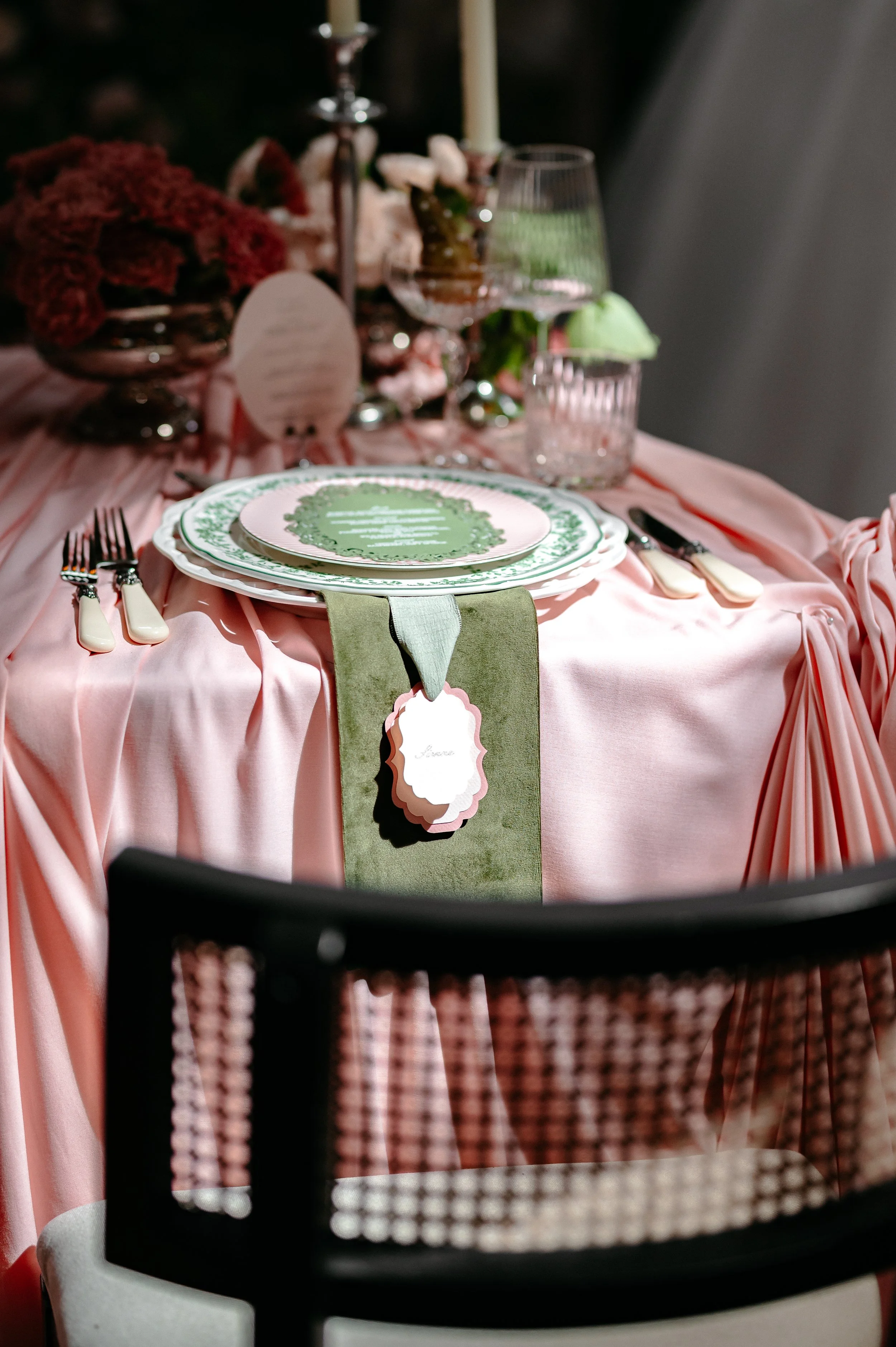
Tuscany is made for weddings that feel warm, relaxed and beautifully considered.
There is something about the combination of old villas, long tables, soft evening light, and open countryside that gives a wedding a slower rhythm. It invites people to settle in. Guests arrive, pour a drink, look out across the landscape, and begin to feel like they are part of something more personal than a traditional wedding day.
That rhythm matters in the photography.
A Tuscany wedding should not feel rushed. The best images often come from the quiet edges of the day. A dress hanging in a shuttered room. Guests gathering in the shade. A hand resting on a table during speeches. The couple stepping away for five minutes as the light softens.
Portraits in Tuscany can be incredibly beautiful, but they work best when they still feel like you.
I will always give guidance when it helps, but I do not believe couple portraits should feel forced or overly staged. You should not feel like you are performing for the camera. The aim is to create photographs that feel refined, natural and emotionally true.
Beautiful enough to frame.
Honest enough to still feel like a memory.
Lake Como wedding photography
Lake Como has a very different feeling.
It is cinematic, elegant and often more structured. The setting carries a certain weight, with grand villas, water taxis, terraces, gardens and dramatic views across the lake.
With a location like Lake Como, the challenge is not finding a beautiful backdrop.
The challenge is making sure the photographs still feel personal.
It is easy for the setting to overpower the couple. My approach is to use the location carefully, without letting it become the whole story. The lake, the architecture and the design of the day should support the emotion, not distract from it.
This is where documentary wedding photography and editorial portraiture work so well together.
During the natural parts of the day, I photograph quietly. Guests arriving, people embracing, small gestures, the atmosphere at dinner, the movement between spaces. During portraits, I bring more intention to the composition, using the light, setting and architecture to create images that feel polished without becoming stiff.
The result is a gallery that feels elegant, but still alive.
Venice, city weddings and Italian elopements
Some Italian weddings are grand and multi-day.
Others are quieter, more intimate and centred around the experience of being somewhere extraordinary.
A Venice elopement, a small ceremony in Florence, a private dinner in Rome, or a city celebration with a handful of close guests can feel just as meaningful as a larger wedding. Sometimes, even more so.
With smaller weddings and elopements, the photography has to be especially sensitive. There are fewer people, fewer distractions and more space for emotion. Every look, every movement and every quiet exchange matters.
The approach should never feel heavy-handed.
For intimate weddings, I focus on letting the day unfold naturally, while gently shaping the moments that need a little more direction. That could be a short walk through the streets, portraits in soft evening light, or quiet images before dinner begins.
The aim is to create a visual story that feels considered, but never overworked.
Planning photography around the destination experience
Destination weddings often need more thought than a single venue wedding in the UK.
There may be travel between locations. There may be a welcome dinner the night before. There may be multiple events, different outfits, later ceremonies, stronger light, outdoor dining, and a more relaxed timeline across the full celebration.
That is why photography should be part of the planning conversation early.
A few things are worth thinking about:
How many events do you want photographed?
Will there be a welcome dinner or post-wedding gathering?
Is the ceremony taking place in strong midday sun or softer evening light?
Are there important locations away from the main venue?
How much time do you want for couple portraits?
Are there legal or ceremony details that may affect the schedule?
Will a planner or coordinator be managing the day?
These details help shape a smoother experience.
They also make the photography feel more natural because nothing has to be forced into the timeline at the last minute.
Working alongside your planner and venue team
For many destination weddings, the planner is central to the experience.
They are often managing suppliers, timings, styling, transport, guest movement, weather changes and all the small things couples never see. The photographer should fit into that team, not create more work for it.
I care about that side of the day.
I want the photography to feel calm, organised and well considered from the beginning. That means clear communication, understanding the timeline, respecting the work of the planner, and making sure portraits, family photographs and key moments happen without slowing the celebration down.
The best wedding suppliers work together quietly.
No drama. No ego. No pulling the day in different directions.
Just a shared focus on making the experience feel effortless for the couple and their guests.
Documentary wedding photography with an editorial eye
A destination wedding in Italy deserves more than a record of what happened.
It deserves a gallery that brings the whole atmosphere back.
The warmth of the evening. The sound of people at dinner. The quiet nerves before the ceremony. The way the venue looked before guests arrived. The movement of the dress. The shape of the tables. The laughter that started small and took over the room.
That is why my approach blends documentary storytelling with refined editorial portraits.
The documentary side captures the real story.
The editorial side gives the gallery shape, elegance and intention.
Together, they create photographs that feel natural, polished and lasting.
Not overly posed.
Not trend-led.
Not detached from the feeling of the day.
What makes an Italy wedding gallery feel timeless?
For me, timeless wedding photography is not about making every image look the same.
It is not about chasing a trend, using heavy editing, or creating photographs that look beautiful now but feel dated in a few years. It is about emotion, light, composition and restraint.
Italy already gives so much visually.
The key is knowing when not to overdo it.
A quiet portrait in a villa doorway. Guests gathered at a long table. A couple walking through a city street. A hand squeeze during the ceremony. A glance across dinner. These are the photographs that last because they are rooted in something real.
Elegant without feeling distant.
Natural without feeling careless.
Refined without losing the soul of the day.
Getting married in Italy: what to check first
Whether you can have a legal ceremony in Italy depends on your nationality, where you live and the type of ceremony. GOV.UK says to check the local rules and work out which documents prove you are free to marry. For Italy, that can include a certificate of no impediment (nulla osta) from the British Embassy in Rome.
Some couples choose a symbolic ceremony in Italy and sort the legal side separately. Your planner or venue can tell you which route applies to you, and it is worth settling before you plan the photography timeline around a ceremony time.
What does the light do at an Italian wedding?
It changes a lot with the season. In Rome the sun sets at about 8:46pm in mid-June and about 7:19pm in mid-September. A 4pm ceremony in summer means strong, high sun, so shade, a later ceremony or a longer evening gap before dinner can make a big difference to the portraits.
In spring and autumn the light goes earlier, so portraits often work best in the hour before sunset rather than being left until after dinner.
How long should you book a photographer for in Italy?
Italian weddings often run later, with a welcome dinner or a long meal, so the usual UK day can stretch. Think about which parts you really want covered: getting ready, ceremony, portraits, dinner, and any events the night before or the day after.
Our guides to how many hours of wedding photography you need and how to plan a wedding day timeline help work this out. A second photographer can also help when guests are spread across a villa or several locations.
Italy wedding photography FAQ
Do you need a photographer for the welcome dinner? Only if you want it in your gallery. Many destination couples add it because guests are all together, but it is your choice.
Does rain matter in Italy? Sometimes, especially in spring and autumn. Ask your venue for an indoor plan, and see our guide on what happens if it rains on your wedding day.
How far ahead should you book? Destination dates fill early, and our guide to how far in advance to book a wedding photographer covers the timing.
What does it cost? Travel and accommodation are added to the photography fee, so ask for a full quote. Our guide to wedding photography cost in the UK explains how pricing is built.
Related guides
wedding photography cost in the UK
how many hours of wedding photography you need
what happens if it rains on your wedding day
Sources: nulla osta guidance for marriages in Italy; timeanddate.com sunset times for Rome.
Looking for an Italy wedding photographer?
I am based in Manchester and photograph weddings across the UK, Europe and worldwide.
For weddings in Italy, I bring the same approach that defines Studio Williams: calm, discreet and intentional photography, balancing documentary storytelling with refined editorial portraiture.
Whether you are planning a villa wedding in Tuscany, a Lake Como celebration, a Venice elopement, or a multi-day wedding elsewhere in Italy, the photography should feel like part of the experience rather than something separate from it.
If you are planning a wedding in Italy and want photographs that feel elegant, honest and lasting, I would love to hear about your plans.
Enquire with Studio Williams to begin planning your destination wedding photography.
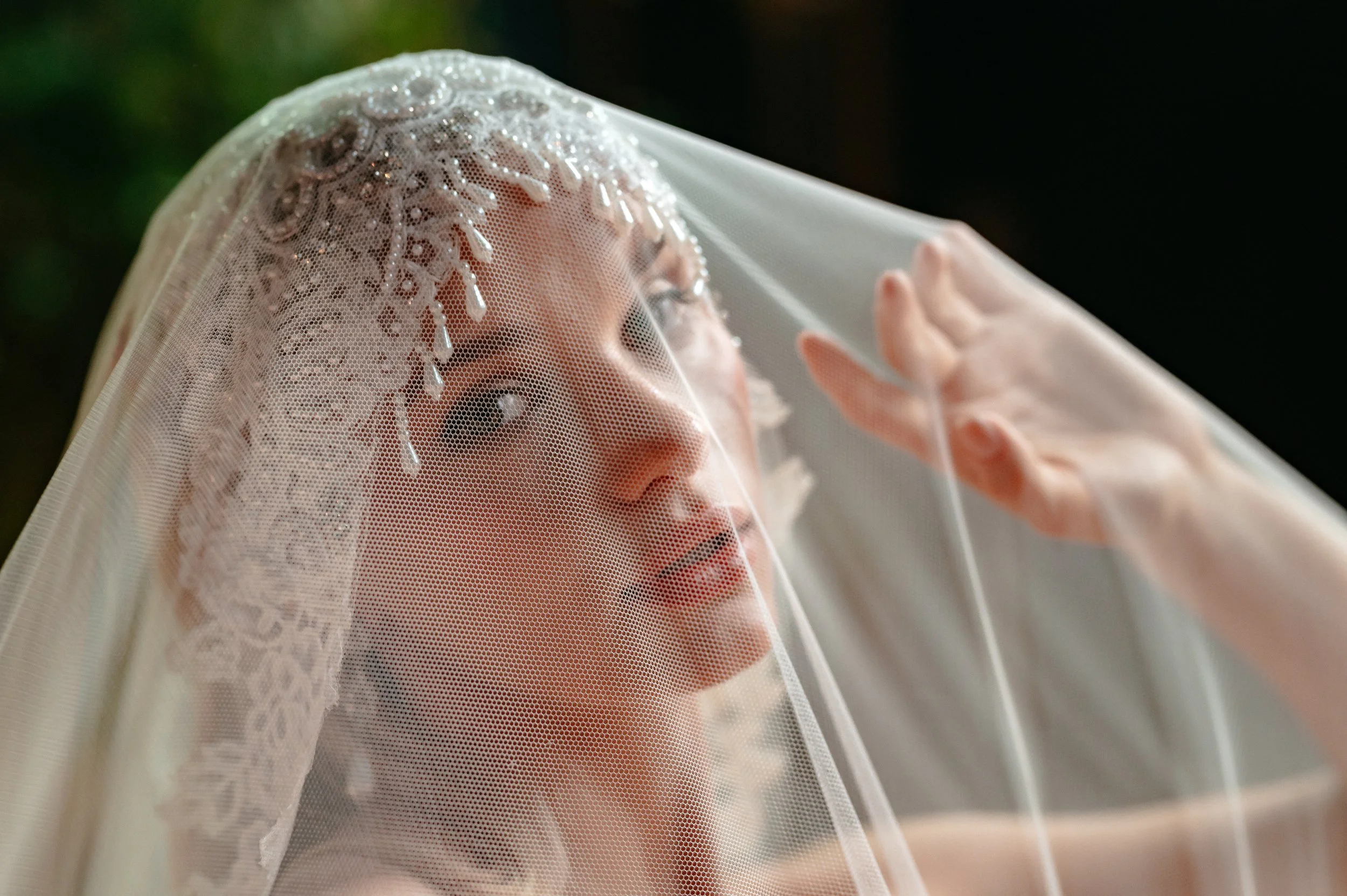
London Wedding Photography for Refined City Weddings
London offers a rare mix of settings.
There are grand townhouses, private members’ clubs, historic hotels, art galleries, restaurants, churches, registry offices, and hidden gardens. Some weddings unfold across several locations. Others stay within one carefully chosen venue from morning preparations through to the evening.
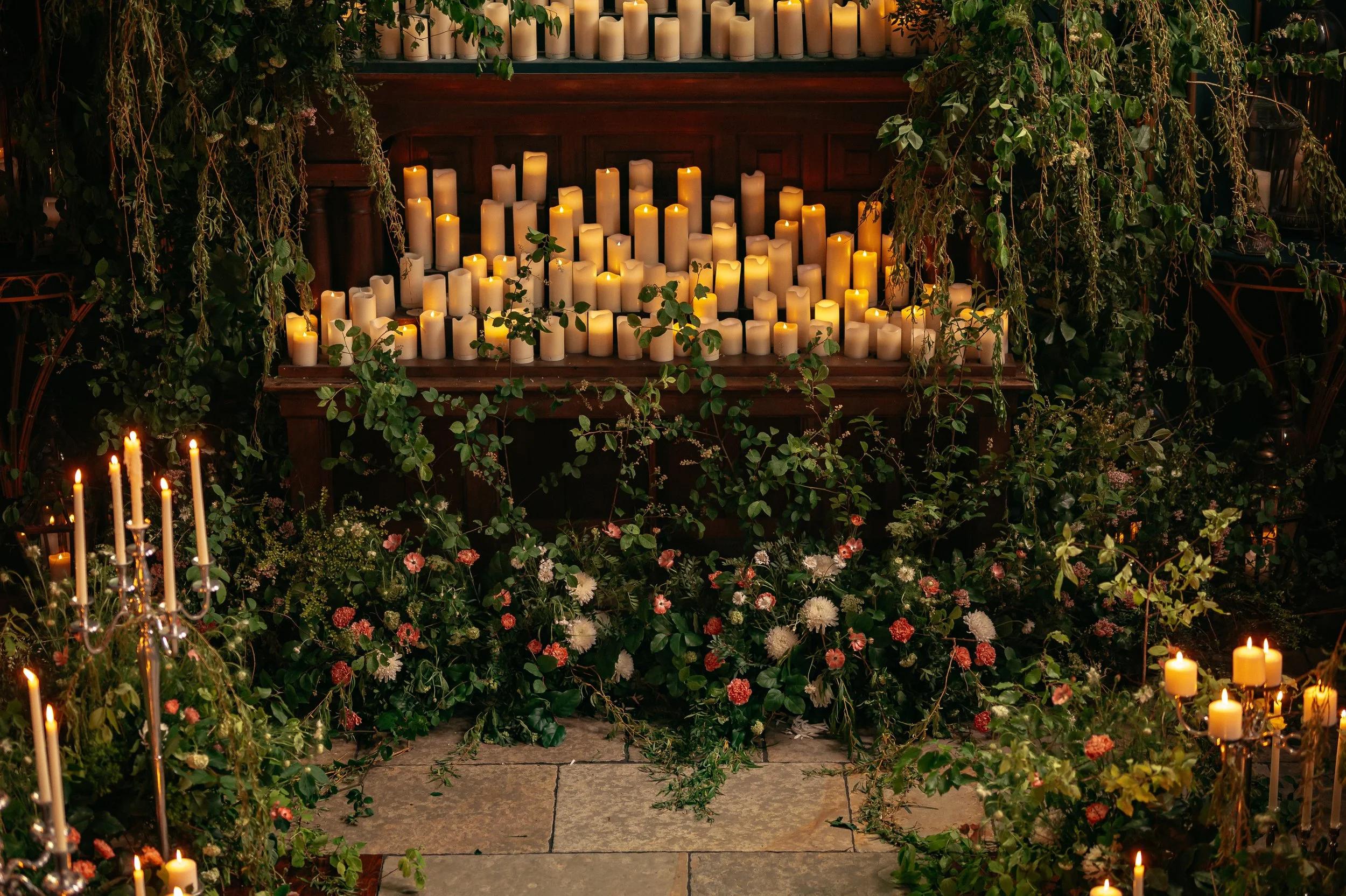
London has a way of making a wedding feel cinematic without trying too hard.
The architecture, the movement, the old streets, the private rooms, the hotels, the restaurants, the quiet corners tucked behind busy entrances. A London wedding can feel grand, intimate, modern, traditional, or beautifully understated. Often, it is a little of everything.
That is what makes photographing weddings in London so interesting.
The best London wedding photography should not feel forced. It should hold the atmosphere of the city, the elegance of the setting, and the emotion of the day without turning the wedding into a production. It should feel polished, but not staged. Considered, but not stiff. Beautiful, but still honest.
My approach is built around that balance.
I photograph weddings with a calm, documentary style, while giving gentle direction when it matters. The aim is to create a gallery that feels natural, refined, and true to the day itself.
A city made for elegant wedding photography
London offers a rare mix of settings.
There are grand townhouses, private members’ clubs, historic hotels, art galleries, restaurants, churches, registry offices, and hidden gardens. Some weddings unfold across several locations. Others stay within one carefully chosen venue from morning preparations through to the evening.
Both can work beautifully.
What matters is understanding the rhythm of the day. A London wedding often comes with movement, traffic, tight timings, venue rules, and a lot of people working behind the scenes. Photography should fit into that, not slow it down.
For couples, this means being able to enjoy the day without feeling like every moment has been interrupted for another photograph.
For planners, it means working with someone who understands timing, discretion, communication, and the importance of staying calm when the day naturally shifts.
Documentary wedding photography with an editorial eye
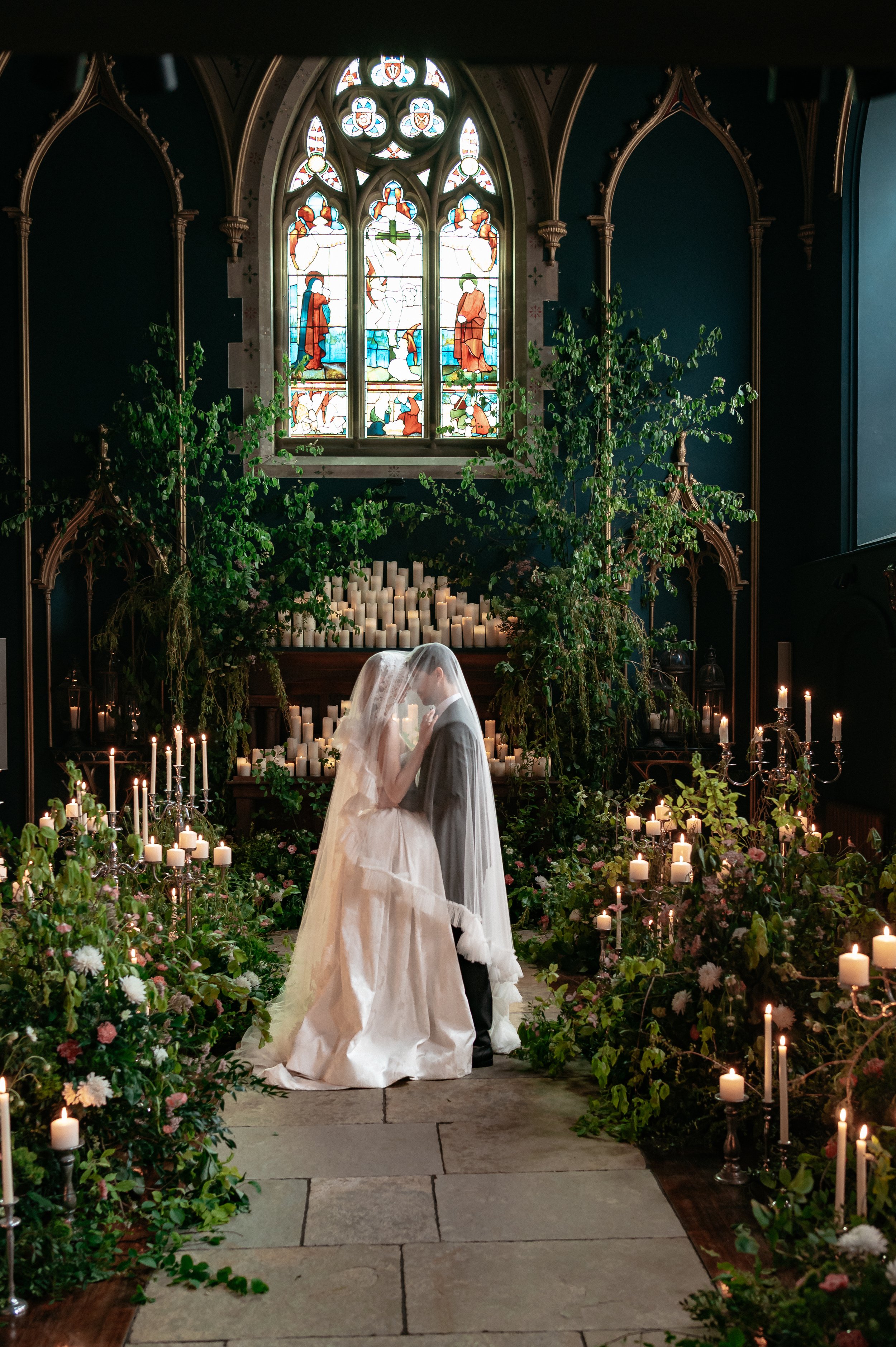
A lot of couples are drawn to documentary wedding photography because they do not want their day to feel staged.
They want the real moments. The quiet look before walking down the aisle. The hand squeeze during the ceremony. The laughter at the table. The guests who forget there is a camera there. The small details that say more than a posed photograph ever could.
I believe those moments are the heart of the gallery.
However, refined wedding photography also needs a sense of shape. It needs portraits that feel intentional. It needs images of the venue, the styling, the details, and the people that show the day at its best.
That is where the editorial side comes in.
During the natural flow of the day, I work unobtrusively. During couple portraits, I offer enough direction to make you feel comfortable without making the images feel overworked. You will not be asked to perform. You will not be pulled away for hours. The process should feel easy, even if you normally hate having your photograph taken.
The result is a collection that gives you both sides of the day.
The real story, and the beautifully considered portraits you will want to frame.
Wedding photography that works around the day
London weddings often have a strong sense of design.
The flowers have been chosen carefully. The table styling has a purpose. The venue has been selected for a reason. The outfits, the stationery, the atmosphere, the lighting, the food, and the music all contribute to the feeling of the celebration.
Photography should respect that.
I use the venue and the light as part of the story. A staircase, a window, a doorway, a candlelit room, or a quiet side street can all become part of the final gallery when used properly. The aim is not to make every wedding look the same. The aim is to photograph each celebration in a way that feels true to its setting.
That matters especially for luxury weddings, where the details are rarely accidental.
Good photography should capture the beauty without making the day feel like a styled shoot. Your wedding is not a content day. It is a lived experience. The photographs should reflect that.
For couples who want to feel present
One of the biggest worries I hear from couples is that they do not feel natural in front of the camera.
That is completely normal.
Most people are not used to being photographed all day. Most people worry they will look awkward. Many couples want beautiful photographs, but they do not want to spend the day posing for them.
My job is to make that feel easier.
I will guide you when direction helps. I will step back when the moment needs space. I will keep family group photographs efficient and considered, so they do not take over the day. I will help shape the timeline where needed, without making the experience feel rigid.
The goal is simple.
You should be able to enjoy your wedding while trusting that it is being photographed properly.
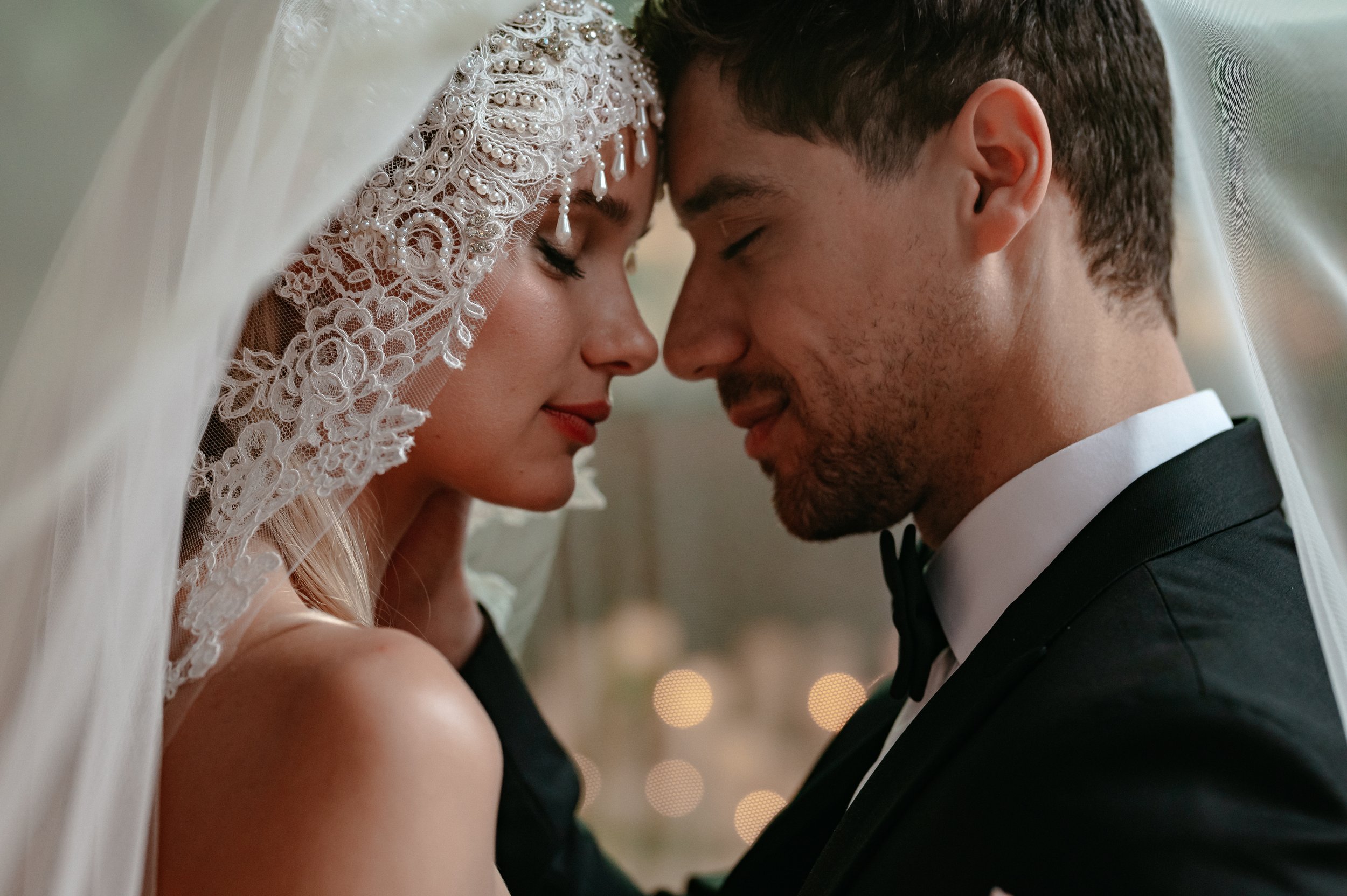
For wedding planners and venue teams
A well-run wedding depends on good suppliers working together.
For planners, photographers are not just there to take beautiful images. They need to communicate clearly, respect the timeline, understand the day's flow, and adapt when something changes.
That is particularly important in London, where logistics can be more layered.
Multiple addresses, city traffic, restricted ceremony rules, limited portrait windows, room turnarounds, security teams, and strict venue timings can all shape the way the day runs.
I work with the wider supplier team, not against it.
That means being prepared before the wedding, understanding the timeline, staying discreet during key moments, and keeping things moving when direction is needed. The photography should support the day, not pull attention away from it.
What makes London wedding photography feel timeless?
For me, timeless photography is not about following a trend.
It is not about making every image overly dark, overly bright, overly posed, or overly edited. It is about creating photographs that still feel beautiful years later because they are rooted in real emotion, good light, thoughtful composition, and honest storytelling.
London gives you so much to work with, but the city should never overpower the couple.
The best images often come from balance. A quiet portrait in a grand room. A candid moment in a busy street. A small look between two people surrounded by architecture, movement, and history.
That is the kind of wedding photography I am drawn to.
Elegant without being distant. Natural without being careless. Refined without losing the feeling.
Planning a London wedding?
Whether you are planning a full-day celebration, a city elopement, a private dinner, or a multi-day wedding across several locations, the photography should be considered from the beginning.
A few things are always worth thinking about early:
How much movement is there between locations?
Is there time built in for portraits without rushing?
Are there any venue or ceremony restrictions?
Do you want family photographs kept short and efficient?
Are there spaces in or around the venue that feel personal to you?
Is the wedding being led by a planner or coordinator?
These details help shape a smoother experience on the day.
They also allow the photography to feel effortless, which is usually the difference between a gallery that simply documents what happened and one that brings the whole feeling back.
Photographing in London’s Royal Parks: what to check first
Many couples want portraits in a Royal Park such as Hyde Park or Regent’s Park. The Royal Parks run a wedding and lifestyle photography permit, and the current terms are strict. A permit covers one hour only, for up to 10 people, and costs £100 plus VAT (£120 including VAT) for one photographer. They ask for at least 10 days’ notice and public liability insurance of at least £5m, and confetti is not permitted. Check the current terms before you plan around it.
Your photographer or planner can tell you which hour fits your timeline best, so it is worth settling the park and the time slot early.
What does London light do through the year?
It changes more than most couples expect. Around 21 December the sun rises at about 8:03am and sets at about 3:53pm. Around 21 June it sets at about 9:21pm.
For a winter wedding, that means portraits often need to happen before or just after the ceremony while there is still daylight, which is where a first look can help. Our guide to whether you should do a first look at your wedding covers that choice.
How much time should you leave between London locations?
Travel in the city is rarely as quick as the map suggests, especially on a Friday or Saturday. Add a buffer between the ceremony, portraits and reception, and avoid a tight chain of locations. Our guides to how many hours of wedding photography you need and how to plan a wedding day timeline help you build that in.
London wedding photography FAQ
Do you need a permit for photos in a London park? Often yes, in the Royal Parks, as above. Other parks and venues have their own rules, so ask each one.
What if it rains? Plan an indoor or sheltered option for portraits. Our guide on what happens if it rains on your wedding day goes through the practical choices.
Do you need a second photographer? It can help when a day moves between several locations. Our guide on whether you need a second photographer explains when it is worth it.
What does it cost? Ask for a full written quote so you can see exactly what is included. Our guide to wedding photography cost in the UK explains how pricing is built.
Related guides
wedding photography cost in the UK
how many hours of wedding photography you need
wedding day timeline for enjoying your day
whether you need a second photographer
what happens if it rains on your wedding day
Sources: Royal Parks wedding and lifestyle photography permit terms; timeanddate.com sunrise and sunset times for London.
London wedding photographer available across the UK and Europe
I am based in Manchester and photograph weddings across the UK, Europe, and worldwide.
For London weddings, I bring the same approach that defines Studio Williams: calm, discreet, intentional photography, balancing documentary storytelling with refined editorial portraits.
If you are planning a London wedding and want photographs that feel elegant, honest, and lasting, I would love to hear about your plans.
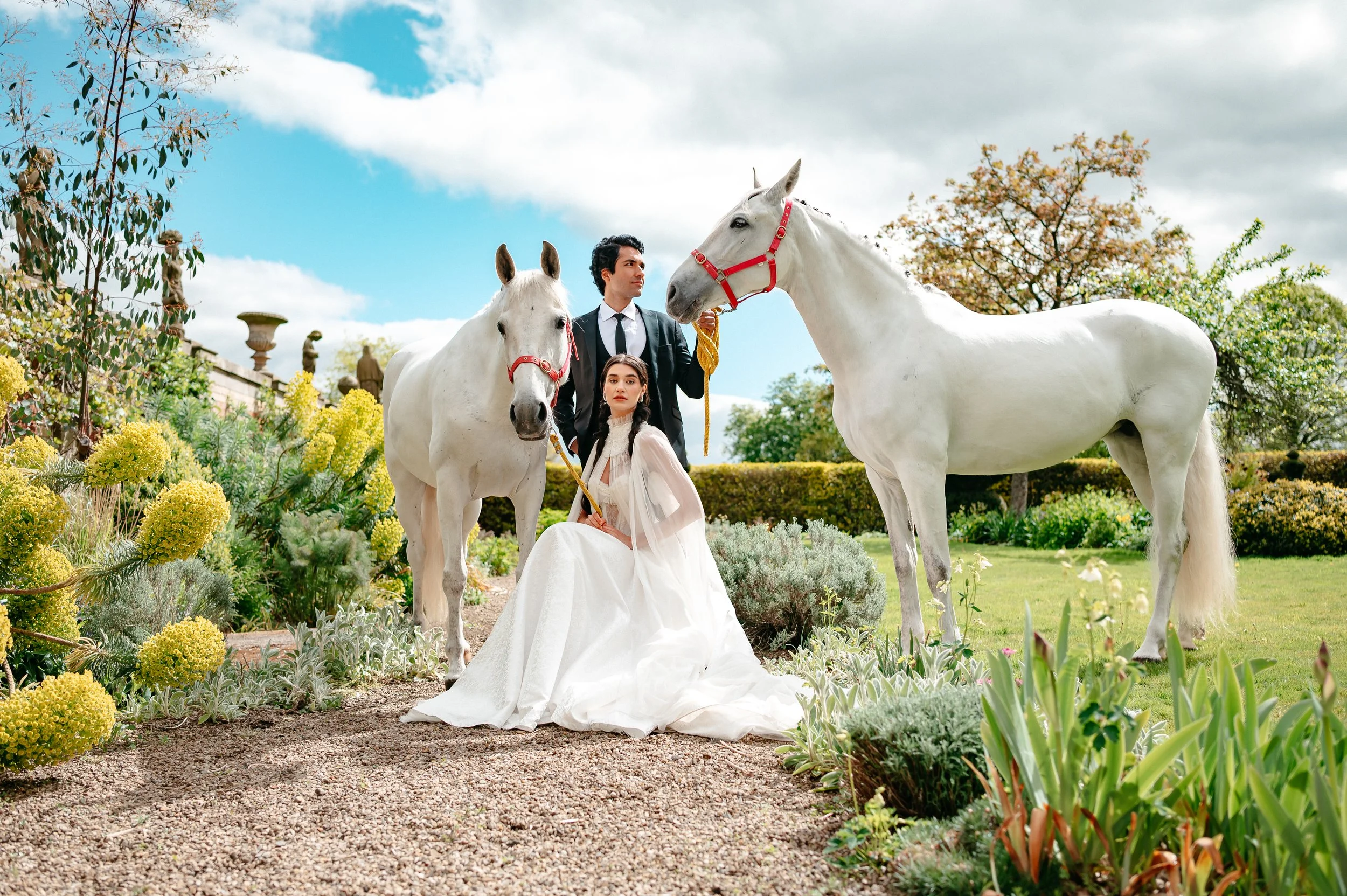
Documentary Wedding Photographer vs Editorial Wedding Photographer: Which Style Fits a Luxury Wedding?
What is documentary wedding photography?
Documentary wedding photography is built around real moments.
It is the quiet breath before walking down the aisle. The look between parents during the ceremony. The champagne being poured. The hand on the back. The friend wiping away a tear before anyone else notices. The room, the atmosphere, the movement, the small things happening in the background that tell the full story.
A documentary wedding photographer does not control every moment.
Choosing a wedding photographer is not only about liking the images.
It is about understanding how you want the day to feel.
Some couples want photography that is entirely natural. Nothing interrupted. Nothing overly arranged. Just the real emotion of the day, captured as it happens. Others are drawn to a more polished, editorial look. The kind of imagery that feels refined, considered and worthy of a magazine spread.
The truth is, most couples planning a luxury wedding do not need to choose one or the other.
The best wedding photography often sits between the two.
It should feel honest, but not careless. Beautiful, but not staged. Refined, but still full of feeling.
That balance is where documentary wedding photography and editorial wedding photography meet.
What is documentary wedding photography?
Documentary wedding photography is built around real moments.
It is the quiet breath before walking down the aisle. The look between parents during the ceremony. The champagne being poured. The hand on the back. The friend wiping away a tear before anyone else notices. The room, the atmosphere, the movement, the small things happening in the background that tell the full story.
A documentary wedding photographer does not control every moment.
They watch. They anticipate. They move with the rhythm of the day and capture what naturally unfolds.
For couples, this style is often appealing because it allows them to feel present. The wedding does not become a photoshoot. The day remains about the people, the celebration and the experience.
There is a quiet confidence to documentary photography. It trusts that the real moments are enough.
And they usually are.
What is editorial wedding photography?
Editorial wedding photography has a more refined and intentional feel.
It takes inspiration from fashion, magazines, luxury campaigns and art direction. The images are often composed with a strong eye for light, shape, styling and atmosphere. The portraits may feel more considered. The details may be photographed with more structure. The venue, flowers, table design, stationery and fashion all become part of the visual story.
This does not mean the images need to feel stiff.
Good editorial wedding photography should not make you feel as though you are performing. It should simply bring a little more direction when direction is useful.
A glance towards the light. A hand placement. A quiet moment on a staircase. A veil lifted by the wind. A portrait that feels elegant without feeling forced.
For luxury weddings, this matters.
The details have often been chosen carefully. The venue has been selected for a reason. The styling, florals, outfits, menus, jewellery and table settings all contribute to the atmosphere of the celebration. Editorial photography gives those choices the attention they deserve.
The problem with choosing only one style
The difficulty comes when a photographer leans too far in one direction.
Purely documentary photography can sometimes miss the opportunity to create portraits that feel truly special. It can capture the day honestly, but without giving enough shape to the final gallery.
Purely editorial photography can sometimes do the opposite. It may create beautiful images, but at the cost of the experience. The day can start to feel interrupted. The couple may feel over-directed. The wedding can begin to look like a styled shoot rather than a lived celebration.
Neither extreme is ideal.
A wedding gallery should include the moments you did not see, and the portraits you will want to frame. It should capture your guests naturally, but also give space to the setting, the design and the people at their best.
That is why the balance matters.
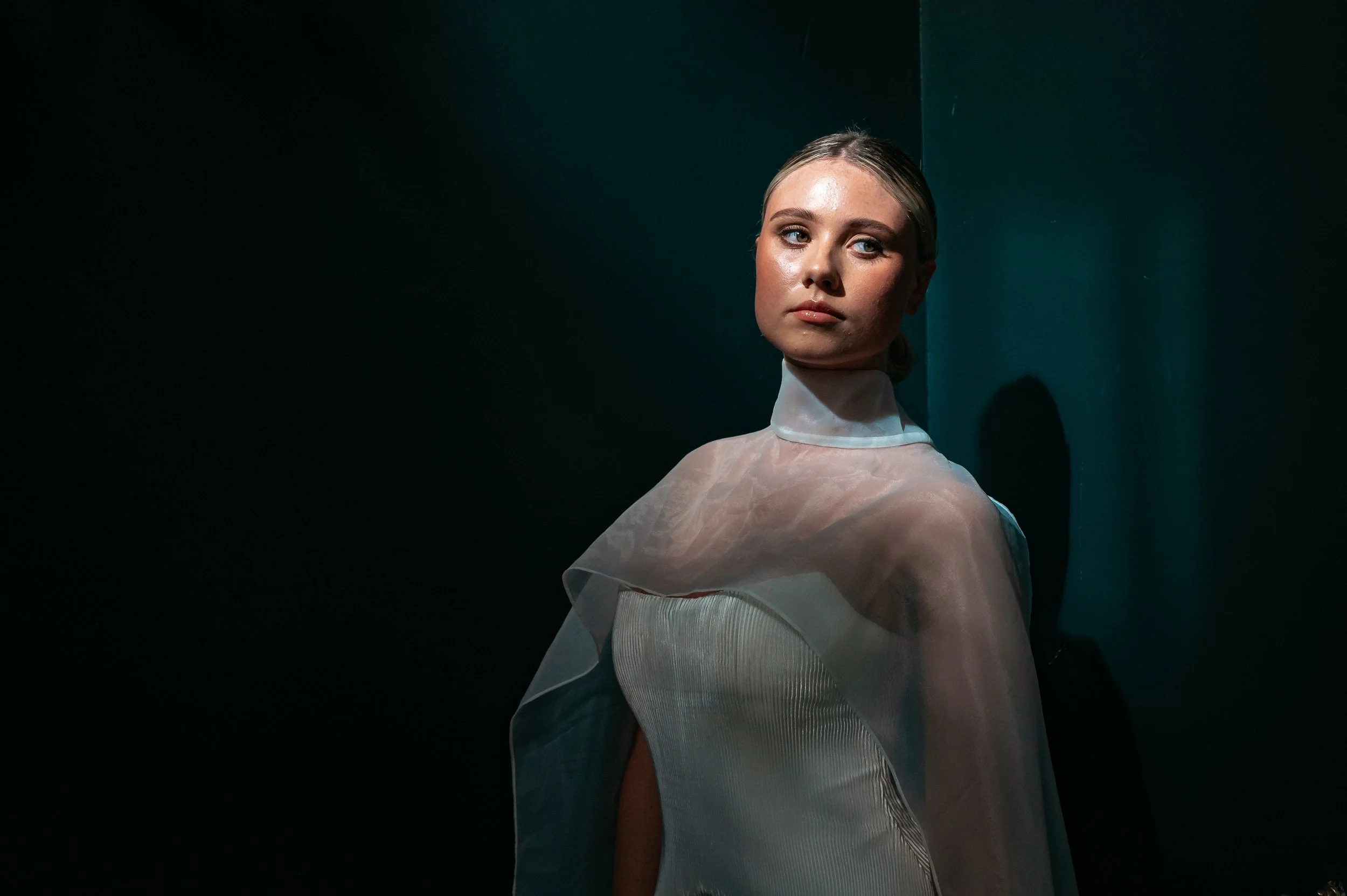
Why luxury weddings need both
Luxury is not always loud.
Sometimes it is a private estate wedding with a carefully designed weekend itinerary. Sometimes it is a London townhouse dinner with candlelight and handwritten menus. Sometimes it is a destination wedding in Europe with several days of events. Sometimes it is a country house celebration where every supplier has been chosen with intention.
In each case, the photography needs to do more than record what happened.
It needs to preserve the feeling of the day.
Documentary photography captures the life of the wedding. The emotion, movement, humour, chaos, stillness and connection.
Editorial photography gives the gallery its polish. The portraits, details, design, atmosphere and sense of place.
Together, they create a collection that feels complete.
Not just beautiful images, but a visual story with depth.
How this approach feels on the day

For most of the wedding, I work quietly and unobtrusively.
The ceremony, drinks reception, speeches, dinner and evening party are not moments to constantly interrupt. They need space. They need to unfold naturally. My role is to read the room, understand where the emotion is happening, and photograph it without pulling attention away from the experience.
Then, when direction is needed, I will guide gently.
This is usually during couple portraits, family photographs, wedding party images and some detail-led sections of the day. The direction is not about making you pose in a way that feels unlike you. It is about helping you feel comfortable, giving the images a sense of intention, and making the most of the light, location and setting.
You will not be asked to disappear for hours.
You will not spend the day being moved from one forced setup to another.
The aim is to create space for beautiful photographs without letting photography take over the wedding.
For couples who do not feel natural on camera
Most couples tell me they are not comfortable being photographed.
That is completely normal.
You are not expected to know what to do with your hands, where to look, how to stand, or how to make a portrait feel natural. That is part of my job.
The key is not heavy posing. It is guidance.
A small adjustment can make a photograph feel more elegant. A simple prompt can make a moment feel more relaxed. Sometimes the best thing I can do is step back and let you talk to each other. Other times, I will offer clear direction so you do not feel awkward or unsure.
The goal is for the photographs to feel like you.
Not a performance. Not a version of you created for the camera. Just you, photographed with care.
For wedding planners and venue teams
For planners, the photographer needs to be more than someone who takes good images.
They need to understand timing, discretion and communication. They need to respect the flow of the day. They need to know when to step in, when to step back, and how to work alongside the wider supplier team without creating friction.
This is especially important at luxury weddings, where there may be multiple locations, tight room turnarounds, carefully planned styling, private family dynamics, venue restrictions and a detailed schedule.
Photography should support the day, not slow it down.
A calm photographer makes a planner’s job easier. A prepared photographer protects the timeline. A discreet photographer keeps the focus where it belongs.
On the couple. On the guests. On the experience.
What should you look for in a photographer?
When choosing between documentary and editorial wedding photography, look at full galleries, not just highlight images.
A strong portfolio should show both sides of the day.
You should be able to see real emotion, guest moments, atmosphere, speeches, details, portraits, family photographs and evening energy. The gallery should feel consistent from beginning to end, not just strong in a handful of selected images.
Ask yourself:
Does the work feel natural?
Do the portraits feel refined without looking stiff?
Are the candid moments meaningful?
Is the editing timeless?
Can you imagine looking at the images in 30 years and still feeling connected to them?
That last question matters most.
Trends move quickly. Your wedding photographs should not.
Documentary or editorial: which is right for you?
If you want a day that feels relaxed, real and uninterrupted, documentary photography will likely appeal to you.
If you want portraits and details that feel more polished, editorial photography will likely appeal to you.
If you want your wedding captured honestly, but with a refined eye for beauty, light and composition, then you probably need a photographer who understands both.
That is the space I am most drawn to.
The in-between moments. The atmosphere. The thoughtful portraits. The quiet details. The energy of the party. The images that feel effortless, even when they have been carefully seen.
A wedding gallery should not feel like a checklist.
It should feel like a memory brought back to life.
A refined approach to documentary wedding photography
At Studio Williams, my approach bridges documentary storytelling with editorial portraiture.
I photograph weddings with a calm, discreet presence, allowing the day to unfold naturally while giving gentle direction when it matters. The aim is to create images that feel elegant, honest and emotionally true.
For couples, that means being able to enjoy the day without feeling as though photography has taken over.
For planners, it means working with someone who understands the importance of timing, trust and supplier collaboration.
For the final gallery, it means a collection that captures both the beauty of the celebration and the feeling of being there.
Natural, but considered.
Refined, but not distant.
Timeless, without losing the soul of the day.
Planning a wedding with this kind of photography in mind?
Whether you are planning a country house wedding, a London celebration, a destination wedding in Europe, or a multi-day event with your closest people, the photography should feel like part of the experience rather than something separate from it.
If you are looking for a documentary wedding photographer with an editorial eye, I would love to hear about your plans.
Enquire with Studio Williams to begin planning your wedding photography.